Filozofia projektowania: Norman Foster, maszyna optymisty

Zasada
„Jury wybrało architekta, któremu żarliwie leży na sercu przyszłość tej planety, zdeklarowanego optymistę z mocną wiarą w postęp technologiczny, który jednak wierzy także, że architektura dotyczy ludzi i jakości życia.” – Jury Nagrody Pritzkera, 19991
Zdanie jury jest najczystszym sformułowaniem stanowiska Fostera, bo nazywa napięcie, którego on nie zgadza się uznać za napięcie. Wysoką technologię i ludzkie ciepło zwykle ustawia się jako przeciwieństwa: estetyka maszyny kontra ludzka skala. Cała kariera Fostera dowodzi, że to ten sam projekt. Zaawansowana konstrukcja to sposób, w jaki dostarcza się światło dzienne pracownicy biura, publiczny ogród na dachu, parlament, nad którym mogą przejść obywatele. Uzasadnienie jury przypisuje mu wynalezienie wysokiego budynku na nowo i stworzenie, we frankfurckim Commerzbanku, „bodaj pierwszego wieżowca z ekologicznym sumieniem”1 – sumieniem osiągniętym nie przez odrzucenie technologii, lecz przez jej podwojenie.3
Kontekst
Foster urodził się w Manchesterze w 1935 roku, w rodzinie robotniczej, i trafił do architektury bokiem: rzucił szkołę w wieku szesnastu lat, pracował w biurze skarbnika miejskiego, odbył służbę wojskową w Royal Air Force i dopiero potem studiował architekturę w Manchesterze, zdobywając stypendium na studia magisterskie w Yale.2 RAF liczy się bardziej niż dyplom. Foster jest pilotem od zawsze, a lot jest jego rodzimą metaforą: dyscyplina robienia więcej mniejszym kosztem, piękno konstrukcji, których forma jest ich działaniem.
W Yale poznał Richarda Rogersa; po powrocie do Anglii założyli Team 4, którego nieliczne budynki zapowiedziały brytyjski high-tech. Rogers zbudował później Centre Pompidou z Renzem Piano – dwa temperamenty tego ruchu, precyzja Fostera i rzemiosło Piano, mają w tamtej spółce wspólnego przodka. W 1967 roku powstało Foster Associates, a wczesne terminowanie ukształtowało wszystko, co przyszło potem: praca z Buckminsterem Fullerem, wielkim apostołem „więcej mniejszym kosztem”, przy projektach traktujących budynki jak maszyny środowiskowe.2
Twórczość
Willis Faber & Dumas (1975): biuro jako miejsce, w którym chce się być
Jury wyróżniło siedzibę ubezpieczyciela w Ipswich jako moment, w którym Foster „zapoczątkował pogląd, że miejsce pracy może być przyjemnym środowiskiem” – czarna szklana kurtyna opływająca średniowieczny układ ulic, z basenem dla pracowników i trawiastym parkiem na dachu.1 Każde bogato wyposażone miejsce pracy ostatnich dwóch dekad leży w dole tego argumentu: technologia budynku (bezramowa szklana ściana była czymś radykalnym) istniała po to, by zwykłe dni pracy były lepsze.
Hongkong and Shanghai Bank (1986): konstrukcja jako uczciwość
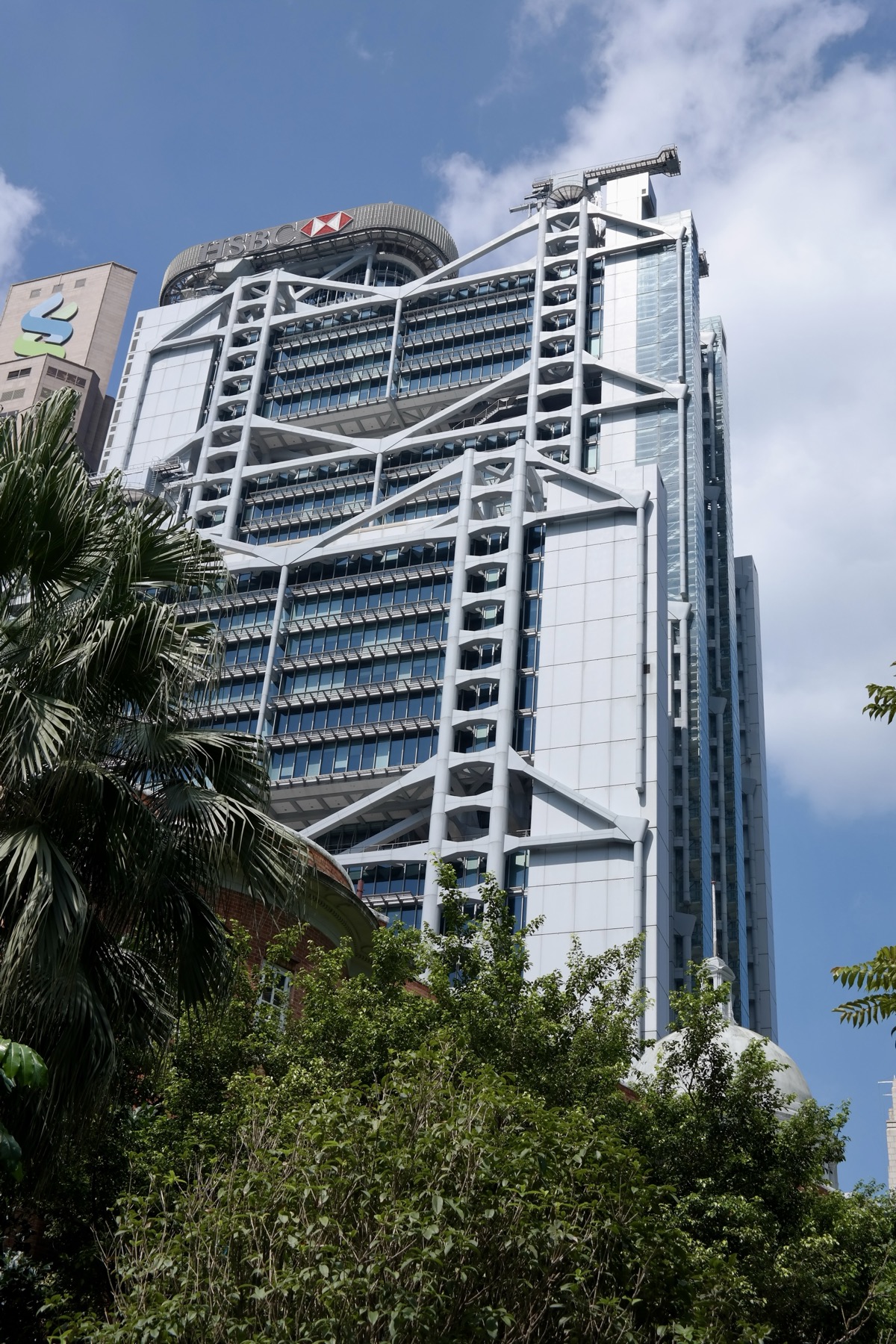
Hongkońska wieża zawiesza swoje piętra na stalowych masztach i kratownicach, przenosi instalacje na krawędzie i otwiera parter jako przestrzeń publiczną pod uniesioną halą bankową. Podobno w chwili otwarcia był to najdroższy budynek świata; pozostaje najczystszym zbudowanym stwierdzeniem, że dramaturgia konstrukcji może służyć przejrzystości, a nie spektaklowi.
Kopuła Reichstagu (1999): demokracja jako rysunek przekroju
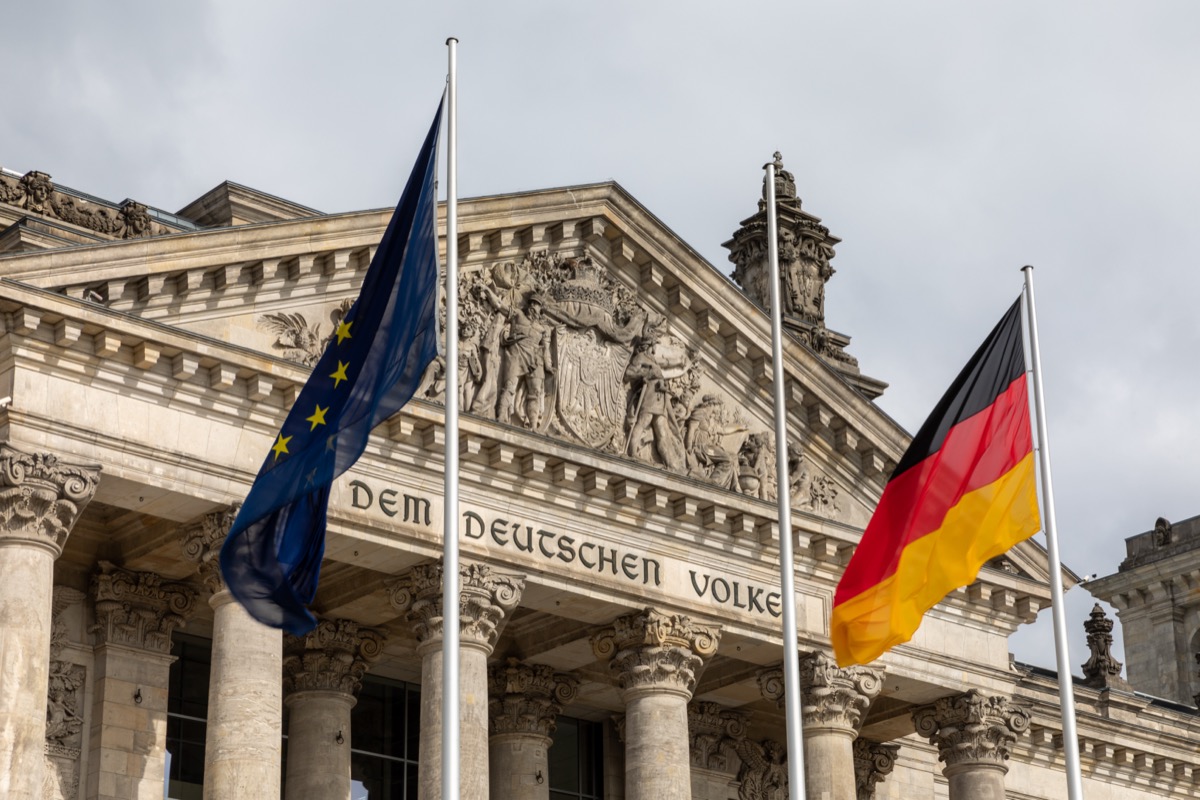
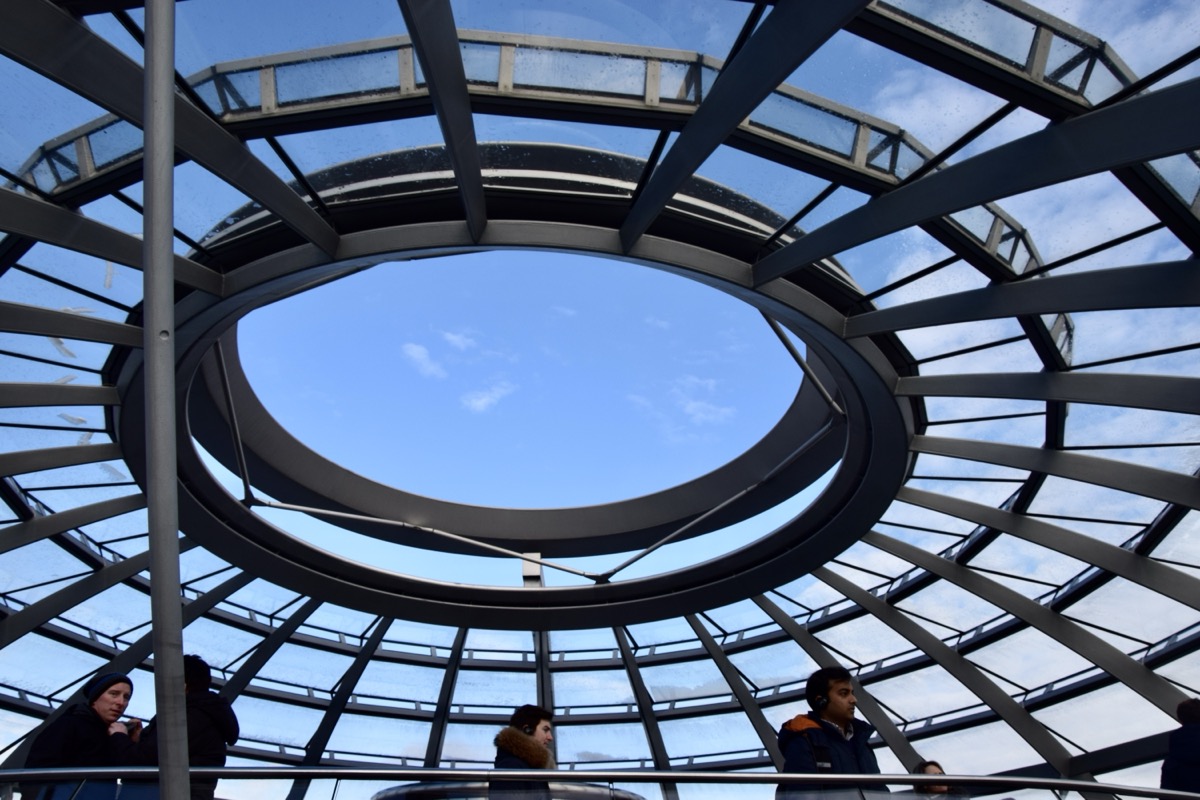
Przebudowa niemieckiego parlamentu przez Fostera umieściła nad salą obrad publiczną szklaną kopułę ze spiralnymi rampami, po których obywatele dosłownie przechodzą nad swoimi przedstawicielami, patrząc na nich z góry.1 Jury nazwało jego prace przy Reichstagu i Great Court w British Museum „znakomitymi renowacjami-przeprojektowaniami”, ale kopuła wyrasta ponad słowo renowacja. To polityka oddana jako przekrój budynku: publiczność na górze, rząd na dole, światło dzienne sprowadzone lustrzanym stożkiem do sali. Żaden manifest nie powiedziałby tego prościej.
30 St Mary Axe (2004): ekologiczny wieżowiec wychodzi do publiczności
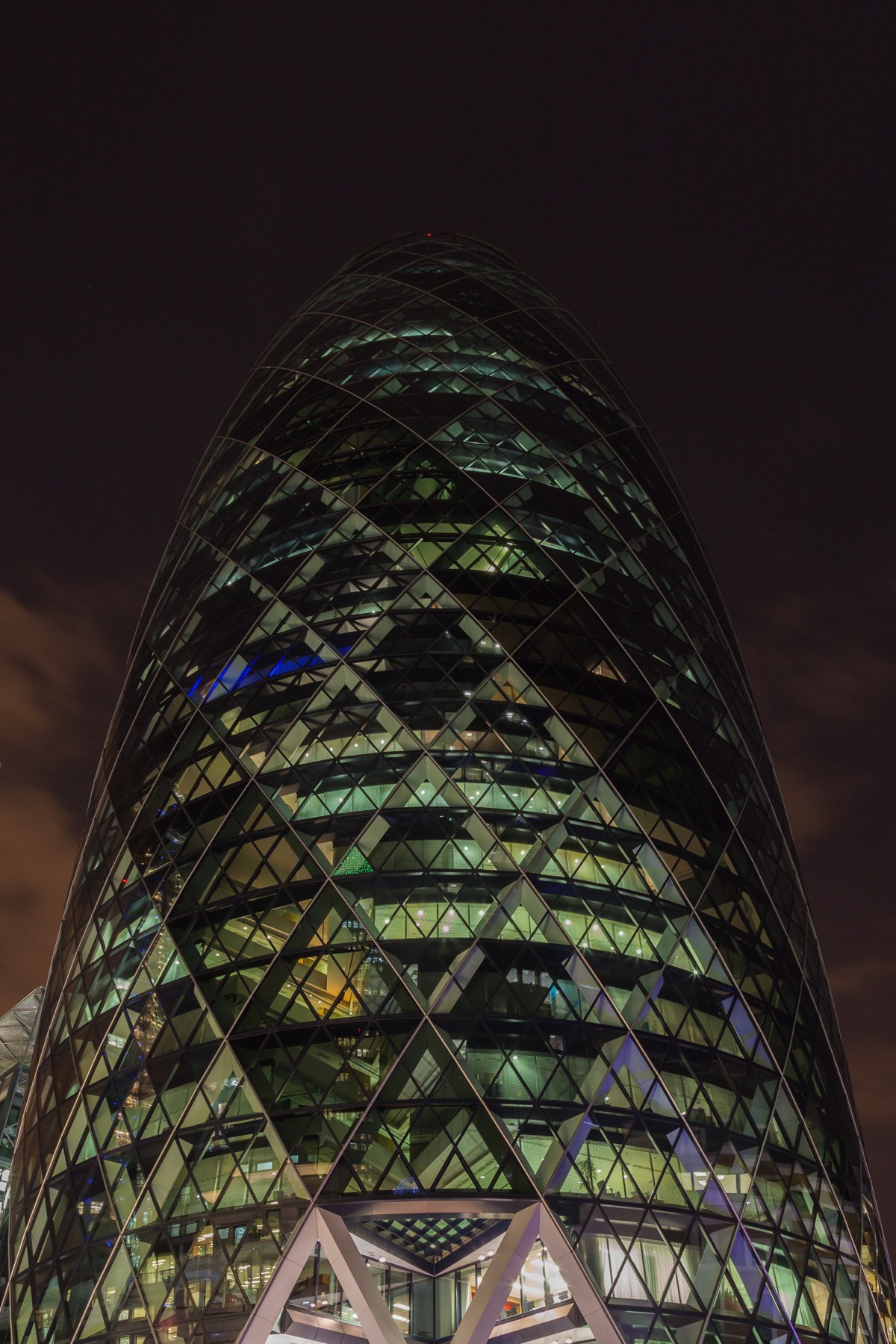
Londyńska wieża, którą wszyscy nazywają Gherkin, zamieniła ekologiczny argument Commerzbanku w sylwetkę: okrągła, zwężająca się forma, która przepuszcza wiatr wokół siebie, spiralne studnie świetlne wentylujące naturalnie, połowa zużycia energii konwencjonalnej wieży tej wielkości. Jej kształt nie jest stylizacją; to aerodynamika i doświetlenie uczynione widocznymi – i stała się tym rzadkim dziełem architektury napędzanej inżynierią, które publiczność przyjęła z sympatią.
Metoda
Foster + Partners działa nie tyle jak pracownia, ile jak program lotniczo-kosmiczny: ponad tysiąc osób, inżynierowie w pokoju od pierwszego dnia, nieustępliwa iteracja nad komponentami – jury zwróciło uwagę na rozpiętość od klamek i biurek po autobus na energię słoneczną.1 Metodą jest integracja. Tam, gdzie konwencjonalna pracownia projektuje formę i przekazuje ją inżynierom, zespoły Fostera projektują działanie i pozwalają, by forma z niego wyłoniła: krzywizna Gherkina z badań wiatru, sylwetka hongkońskiego banku z jego wiszącej konstrukcji, dach lotniska z logiki światła i orientacji.
Stałym zakładem jest ten, którego nauczył go Fuller: więcej mniejszym kosztem nie jest oszczędnością; to hojność innymi środkami. Mniej materiału, mniej energii, mniej wizualnego szumu kupuje więcej światła dziennego, więcej przestrzeni publicznej, więcej spokoju. Znów lot – w szybowcu nic nie jest ozdobne i nic nie jest skąpe.
Łańcuch wpływów
Kto go ukształtował
Buckminster Fuller – współpraca i credo. Fullerowski rachunek środowiskowy („ile waży twój budynek?”) stał się projektowym sumieniem Fostera na dziesięciolecia przed tym, zanim zrównoważony rozwój dostał nazwę. (Terminowanie formacyjne)2
Royal Air Force i lot – estetyka działania. Skrzydło jest piękne, bo działa; konstrukcje Fostera dążą do tej samej tautologii. (Doświadczenie formacyjne)2
Kogo ukształtował
Ekologiczny wysokościowiec. Commerzbank i Gherkin uczyniły z parametrów środowiskowych siłę napędową formy wieżowca; każda „zielona wieża” od tamtej pory argumentuje słownikiem, który ustanowił Foster.1
Apple Park. Zamówiony przez Steve’a Jobsa i zrealizowany z zespołem Jony’ego Ive’a, pierścień w Cupertino to metoda Fostera w skali korporacyjnego kampusu: ogromna ambicja techniczna (największe na świecie gięte tafle szkła) w służbie spokojnego, parkowego codziennego doświadczenia. Budynek czyta się jak produkt Apple, bo filozofia Fostera i filozofia Apple już wcześniej zbiegały się: technologia znikająca w jakości życia.
Nić przewodnia
Foster i Renzo Piano to dwa temperamenty high-techu, połączone przez Richarda Rogersa i rozdzielone instynktem. Foster jest optymistą systemów: technologia jako mistrzostwo, doskonały komponent, zintegrowana maszyna. Piano jest rzemieślnikiem: technologia jako praktyka warsztatowa, złącze, które można odczytać, element dodany do elementu. Budynki Fostera wydają się nieuchronne; budynki Piano wydają się zrobione. Zaha Hadid zabrała tę samą brytyjską kulturę inżynierską tam, gdzie żaden z nich nie poszedł – forma jako energia, a nie jako działanie. Razem wyznaczają przestrzeń, w której obliczenia, rzemiosło i ekspresja ciągną konstrukcję w różne strony. (Pomost serii)
Co z tego biorę dla siebie
Model integracji Fostera to ten, którego chcę dla zespołów programistycznych: wymagania wydajnościowe w pokoju od pierwszego szkicu, a nie doklejane na przeglądzie. Kształt Gherkina jest jego obciążeniem wiatrem, tak jak dobra architektura w kodzie jest swoimi ograniczeniami – kiedy forma wyłania się z sił, niczego nie trzeba później bronić. A kopuła Reichstagu to najlepszy znany mi argument, że przejrzystość jest produktem projektowania, a nie polityką: zbuduj rampę nad salą obrad, a nadzór przestaje być abstrakcją. Ludzie od obserwowalności nazwaliby to powierzchnią pierwszej klasy.
Często zadawane pytania
Na czym polega filozofia projektowania Normana Fostera?
Technologiczny optymizm w służbie ludzkiego doświadczenia. Jury Pritzkera streściło go jako „zdeklarowanego optymistę z mocną wiarą w postęp technologiczny, który jednak wierzy także, że architektura dotyczy ludzi i jakości życia”.1 Jego znak rozpoznawczy to pozwolić, by parametry środowiskowe i konstrukcyjne wygenerowały formę – aerodynamiczne zwężenie Gherkina, świetlny stożek Reichstagu – tak by zaawansowana inżynieria dostarczała światło dzienne, przestrzeń publiczną i spokój.
Jakie są najsłynniejsze budynki Normana Fostera?
Willis Faber & Dumas (Ipswich, 1975), Sainsbury Centre, siedziba Hongkong and Shanghai Bank (1986), Commerzbank we Frankfurcie (1997), kopuła Reichstagu (Berlin, 1999), Great Court w British Museum (2000), 30 St Mary Axe „Gherkin” (2004), wiadukt Millau (2004), lotniska w Pekinie i Hongkongu oraz Apple Park (2017).12
Dlaczego Norman Foster otrzymał Nagrodę Pritzkera?
Jury z 1999 roku przywołało „jego niezłomne oddanie zasadom architektury jako formy sztuki, jego wkład w zdefiniowanie architektury o wysokich standardach technologicznych oraz jego uznanie dla wartości ludzkich związanych z tworzeniem konsekwentnie dobrze zaprojektowanych obiektów”, przypisując mu wynalezienie wysokiego budynku na nowo i pierwszy ekologiczny wieżowiec.1
Jak Norman Foster jest związany z Apple?
Steve Jobs zlecił Foster + Partners zaprojektowanie Apple Park, siedziby Apple w Cupertino, ukończonej w 2017 roku – współpracę kontynuowano z zespołem projektowym Jony’ego Ive’a po śmierci Jobsa. Obsesyjna inżynieria szkła w pierścieniu, w służbie spokojnego kampusu, to punkt spotkania wspólnej filozofii Fostera i Apple.
-
The Pritzker Architecture Prize, Jury Citation: Norman Foster (1999); pełny tekst uzasadnienia w monografii laureata z 1999 roku – Commerzbank jako „bodaj pierwszy wieżowiec z ekologicznym sumieniem”, Willis Faber & Dumas, wypowiedź jury o optymizmie i jakości życia. ↩↩↩↩↩↩↩↩↩
-
The Pritzker Architecture Prize, Biography: Norman Foster – pochodzenie z Manchesteru, służba w RAF, Yale, Team 4 z Richardem Rogersem, Foster Associates (1967) i współpraca z Buckminsterem Fullerem. ↩↩↩↩↩
-
Fotografie: Reichstag z zewnątrz, Dietmar Rabich (CC BY-SA 4.0); wnętrze kopuły Reichstagu, Ank Kumar (CC BY-SA 4.0); budynek HSBC, Wing1990hk (CC BY-SA 4.0); Gherkin, Diego Delso (CC BY-SA 4.0). Wszystkie za pośrednictwem Wikimedia Commons. Na Commons nie ma odpowiednio licencjonowanego portretu Fostera w wysokiej rozdzielczości; zastępują go jego budynki. ↩