Filozofia projektowania: Tadao Ando — beton, światło i pustka

Zasada
„Tworzę zamknięte przestrzenie głównie za pomocą grubych betonowych ścian. Głównym powodem jest stworzenie miejsca dla jednostki, strefy dla siebie samego w obrębie społeczeństwa.” – Tadao Ando1
Ando buduje z betonu i światła. Nie z betonu jako konieczności konstrukcyjnej — z betonu jako medium doświadczenia emocjonalnego. Jego ściany nie są barierami. To powierzchnie, które przyjmują światło, rzucają cień, starzeją się pod wpływem pogody i tworzą ciszę. Wnętrze budynku Ando jest oddzielone od miasta betonem, ale połączone z niebem przez otwory kadrujące światło z taką precyzją, z jaką malarz kadruje temat. Efektem jest przestrzeń, która wydaje się jednocześnie zamknięta i nieskończona, osłonięta i odsłonięta.
Jego architektura to synteza, która nie powinna działać: geometryczny puryzm Le Corbusiera spotyka japońską filozofię przestrzeni. Zachodni racjonalizm spotyka wschodnią pustkę. Jury Nagrody Pritzkera dostrzegło to napięcie wprost: „Jego koncepcje projektowe i materiały połączyły międzynarodowy modernizm z japońską tradycją estetyki.”2
Kontekst
Tadao Ando urodził się w Osace w 1941 roku. Wychowywała go babka w typowym szeregowcu o powierzchni 50 metrów kwadratowych, w dzielnicy rzemieślników — stolarzy, ślusarzy, szklarzy. Nie miał formalnego wykształcenia architektonicznego. Nigdy nie ukończył studiów. Architektury uczył się z książek, odwiedzając budynki i podróżując.
Jako nastolatek boksował. Walczył zawodowo i wykazywał talent, ale zrezygnował po obejrzeniu sparingu byłego mistrza świata Fighting Harady. „Byłem przytłoczony” — powiedział. Boks dał mu coś, co obserwatorzy później nazwali cichym duchem walki i stoicką wytrwałością, ale nauczył go też granic fizycznego talentu w starciu ze zdyscyplinowanym mistrzostwem.3
Architektura pojawiła się dzięki antykwariatowi. Ando znalazł monografię Le Corbusiera i zaczął odrysowywać rysunki z jego wczesnego okresu „tyle razy, że wszystkie strony poczerniały.” Uczył się nocami, kończył kursy korespondencyjne z projektowania wnętrz i od osiemnastego roku życia zaczął odwiedzać świątynie, kaplice i herbaciarnie Kioto i Nary. „Uczyłem się architektury, oglądając prawdziwe budynki i czytając o nich książki” — powiedział jury Pritzkera.1
W 1965 roku, gdy Japonia zniosła zakaz podróży zagranicznych po Igrzyskach Olimpijskich w Tokio, Ando popłynął statkiem z Jokohamy do Związku Radzieckiego, następnie Koleją Transsyberyjską dotarł do Moskwy i podróżował po Europie. Odwiedził Partenon, Panteon, Ronchamp, Unité d’Habitation. Do Paryża przyjechał we wrześniu specjalnie po to, by spotkać Le Corbusiera. Le Corbusier zmarł w sierpniu tego roku. Ando zobaczył puste studio i niedokończone prace. „Architektura obejmuje rzeczy, których nie da się uchwycić za pośrednictwem mediów” — powiedział. „Dlatego architekci muszą podróżować; architektów kształtuje podróżowanie.”3
Wrócił do Osaki i w 1969 roku otworzył własną firmę — bez dyplomu, bez licencji, bez instytucjonalnego wsparcia i bez klientów. Nazywał siebie „partyzantem miejskim.”
Dzieła
Azuma House / Dom szeregowy w Sumiyoshi (1976): Dziedziniec, na który pada deszcz
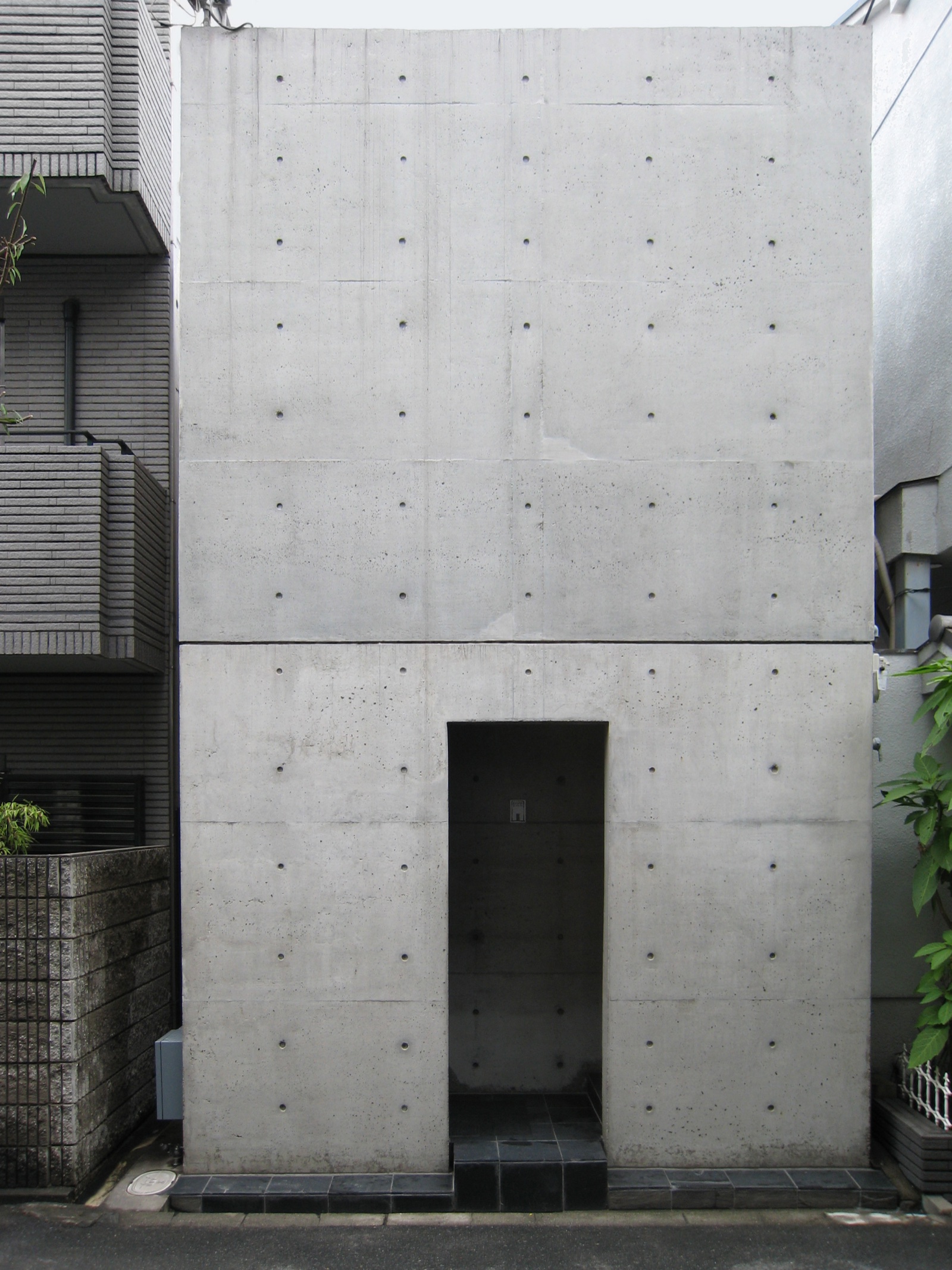
Pierwszym znaczącym budynkiem Ando był dom na działce o powierzchni 57 metrów kwadratowych w rzędzie tradycyjnych osakowskich nagaya (domów szeregowych). Zburzył drewniany dom pośrodku, wstawił betonowy prostopadłościan i podzielił wnętrze na trzy równe prostokątne bryły: dwa zamknięte pomieszczenia rozdzielone otwartym dziedzińcem.
Dziedziniec jest otwarty na niebo. Deszcz pada do wnętrza domu. Gdy mieszkańcy chcą przejść z sypialni do kuchni, muszą przejść przez dziedziniec. Zimą. W deszczu. Z parasolem.
Zapytany o pozorną wrogość tego projektu, Ando odpowiedział wprost: „W Sumiyoshi no Nagaya, pierwszym domu, który zbudowałem, mały otwarty dziedziniec rozdziela pomieszczenia… Mówią, że jest źle ogrzewany i trudno się w nim mieszka. Większość mojej architektury jest taka. Proszę moich klientów, żeby przyzwyczaili się do swojego domu.”4
Dziedziniec nie jest błędem projektowym. To teza tego domu. W japońskiej filozofii przestrzeni ma oznacza znaczącą pustkę między rzeczami — ciszę między nutami, przestrzeń między słowami, pauzę nadającą znaczenie temu, co było przed i po. Dziedziniec to ma uczynione fizycznym: przestrzeń, która jest jednocześnie wewnątrz i na zewnątrz, osłonięta i wystawiona na pogodę, prywatna i otwarta na żywioły. Gładka betonowa fasada odrzuca miasto. Otwarty dziedziniec obejmuje niebo. Mieszkańcy żyją między tymi dwoma stanami.5
Azuma House zdobył Nagrodę Roczną Japońskiego Instytutu Architektury w 1979 roku i ugruntował pozycję Ando jako kogoś, kto nie pójdzie na kompromis, by budynki były wygodniejsze.
Kościół Światła (1989): Nieobecność jako obecność
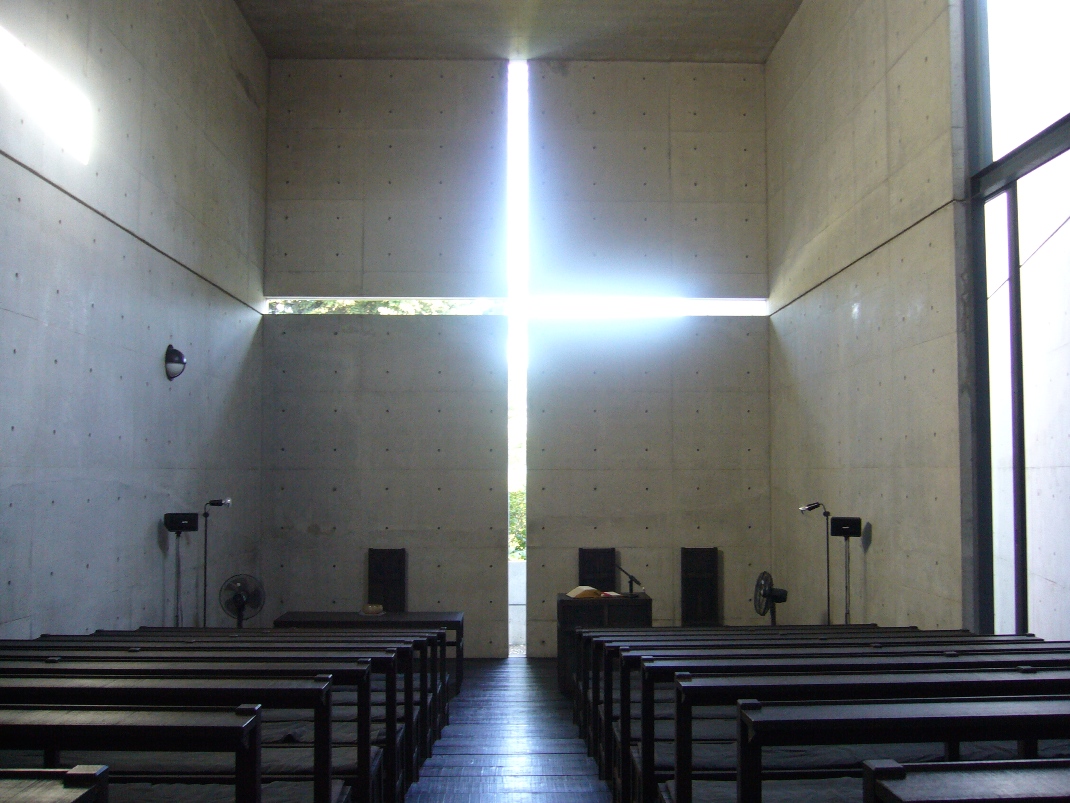
Kościół Światła w Ibaraki, Osaka, to prosty prostokątny betonowy prostopadłościan z krzyżowym nacięciem w ścianie za ołtarzem. To cały projekt. Żadnych witraży. Żadnych elementów dekoracyjnych. Drewniane ławki wykonane z przetworzonych rusztowań budowlanych. Naga podłoga.
Krzyż nie jest symbolem nałożonym na ścianę. To nieobecność wyrzeźbiona w ścianie. Światło słoneczne wpada przez krzyżową pustkę i pada na podłogę, przesuwając się w ciągu dnia, zmieniając się z porami roku. Krzyż jest zbudowany ze światła, nie z materii. Pierwotny projekt Ando nie przewidywał szkła w otworze krzyża — czyste powietrze przepływające przez szczelinę. Szkło zamontowano ze względów praktycznych (pogoda, owady), ale Ando później je usunął, stwierdzając, że wersja bez szkła „odzwierciedla mojego ducha bardziej niż oryginał.”6
„Zawsze wierzyłem, że ściana jest niezwykle ważnym elementem do eksponowania światła” — powiedział Ando. „Na ścianie rysuje się miejsce oddychającego światła. To nadaje architekturze życie.”7
Kościół Światła jest jednym z najczęściej publikowanych budynków XX wieku. Jego siła bierze się z tego, czego w nim nie ma. Żadnego ornamentu, żadnego koloru, żadnej różnorodności materiałów — tylko beton, światło i pustka tam, gdzie powinien być krzyż.
Chichu Art Museum (2004): Niewidzialna architektura
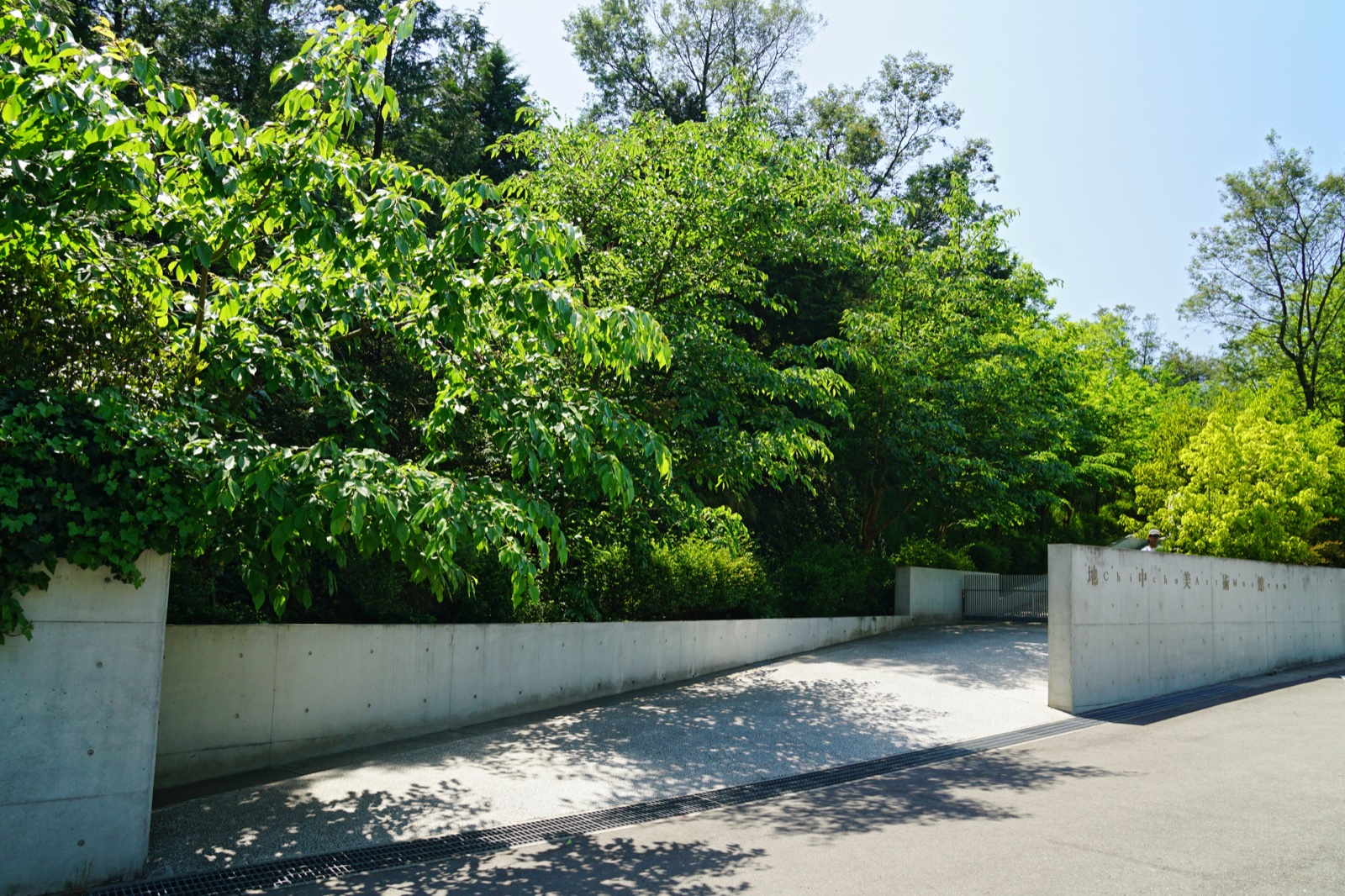
„Chichu” po japońsku oznacza „podziemny.” Chichu Art Museum na wyspie Naoshima jest zagrzebane pod zboczem wzgórza tak całkowicie, że krajobraz Morza Wewnętrznego Seto pozostaje nienaruszony z góry. Mimo podziemnej lokalizacji Ando wybrał „światło” jako temat przewodni.
Starannie zaprojektowane świetliki i otwarte dziedzińce zalewają galerie naturalnym światłem, które zmienia się w ciągu dnia. W przestrzeniach wystawienniczych nie stosuje się sztucznego oświetlenia. Muzeum mieści stałe instalacje Claude Moneta, Waltera De Marii i Jamesa Turrella — trzech artystów, których twórczość zależy od jakości światła. Architektura Ando nie eksponuje sztuki. Zapewnia warunki atmosferyczne, w których sztuka może istnieć.8
Podziemna konstrukcja zapewnia również pasywną regulację klimatu — ziemia naturalnie reguluje temperaturę, zmniejszając ślad energetyczny budynku. Budynek dowodzi, że powściągliwość i ambicja nie stoją w sprzeczności: najbardziej ambitnym gestem architektonicznym na Naoshimie jest budynek, którego nie widać.
Metoda
Ando używa betonu tak, jak malarz używa płótna: jako powierzchni przyjmującej światło. Jego beton nie jest surowy ani brutalny. Wykańczany jest do jakości, którą jury Pritzkera określiło jako „gładki jak jedwab” — osiąganej dzięki szalunkom z wysokiej jakości fińskiej sklejki z laminowaną powłoką, panelom wyrównanym z milimetrową precyzją, spoinom uszczelnianym tak, by zapobiec najdrobniejszemu wyciekowi, oraz formom lakierowanym dla uzyskania ostatecznej powierzchni. Równomiernie rozmieszczone okrągłe otwory widoczne na każdej ścianie Ando to ślady po śrubach trzymających szalunki, zwykle w odstępach 1,2 metra.1
„Jakość konstrukcji nie zależy od samej mieszanki, lecz od szalunku, w którym beton jest odlewany” — wyjaśniał Ando. „Ze względu na tradycję architektury drewnianej w Japonii, poziom rzemiosła stolarskiego jest bardzo wysoki.” Jakość jego betonu opiera się na tej samej precyzji obróbki drewna, jaką praktykowali rzemieślnicy z dzielnicy jego babki.1
Jego szkice — odważne, energiczne rysunki węglem i tuszem — ujawniają emocjonalną intencję każdego budynku, zanim przejmuje kontrolę precyzja. Retrospektywa „Le Défi” w Centre Pompidou w 2018 roku wystawiła 180 oryginalnych rysunków obok 70 modeli, ukazując przepaść między gestykulacyjną gwałtownością jego szkiców a medytacyjnym spokojem ukończonych budynków.9
Łańcuch wpływów
Kto go ukształtował
Le Corbusier dał mu język formalny: wolny plan, siatkę modularną, promenadę architektoniczną. Ando nie studiował jednak Corbu na wydziale architektury. Odrysowywał rysunki w antykwariacie, aż strony poczerniały, a potem podróżował po Europie, by odnaleźć budynki. To relacja autodydaktycznej obsesji, nie akademickiego dziedzictwa. (Wpływ bezpośredni)
Frank Lloyd Wright był jego pierwszym doświadczeniem architektonicznym. Jako uczeń liceum zobaczył Imperial Hotel w Tokio, a później odwiedził Fallingwater. Wrightowska integracja budynku z krajobrazem stała się stałym punktem odniesienia. (Wpływ bezpośredni)1
Tradycyjna architektura japońska — szczególnie Cesarski Pałac Katsura — dostarczyła koncepcji przestrzennych: ma (znacząca pustka), wabi (piękno niedoskonałości), przenikanie się wnętrza i zewnętrza. To nie są wpływy dekoracyjne. To zasady strukturalne, które decydują o tym, gdzie stawia się ściany, a gdzie się ich nie stawia. (Wpływ bezpośredni)
Kogo ukształtował
Kengo Kuma rozwinął etos Ando — szczerość materiału i szacunek dla środowiska — przenosząc go na drewno i materiały naturalne. Tam, gdzie Ando używa betonu jako powierzchni dla światła, Kuma używa drewna, bambusa i kamienia, by rozpuścić granicę między budynkiem a krajobrazem. Obaj odrzucają ideę, że architektura powinna narzucać się otoczeniu.
Integracja naturalnego światła, wody i roślinności w betonowych strukturach Ando antycypuje to, co później zyskało miano projektowania biofilicznego. Chichu Art Museum — budynek, który znika we wzgórzu, jednocześnie zalewając galerie naturalnym światłem — dowodzi, że szacunek dla środowiska i ambicja architektoniczna nie stoją w sprzeczności.8 (Wspólna zasada)
Linia przewodnia
Architektura Ando dowodzi, że do uprawiania dyscypliny na najwyższym poziomie nie potrzeba dyplomu — trzeba natomiast widzieć budynki. Odrysowywanie rysunków Le Corbusiera nie wystarczyło. Wizyta w Ronchamp nie wystarczyła. Zbudowanie Azuma House i patrzenie, jak pada na niego deszcz — to było wykształcenie. Ograniczeniem był brak formalnego kształcenia. Odpowiedzią było bezpośrednie doświadczenie, a dzieła, które z tego wynikły, są bardziej duchowo intensywne niż cokolwiek, co akademia wyprodukowała w tych samych dekadach.
Susan Kare przyszła do Apple jako rzeźbiarka bez doświadczenia w projektowaniu cyfrowym i stworzyła język wizualny komputerów osobistych. Ando przyszedł do architektury jako bokser bez dyplomu uniwersyteckiego i zbudował jedne z najbardziej duchowo intensywnych przestrzeni XX wieku. Oboje dowodzą tej samej zasady: outsiderzy, którzy studiują dyscyplinę poprzez bezpośrednie zaangażowanie — Kare przez papier milimetrowy i haft krzyżykowy, Ando przez podróże i odrysowywanie — tworzą prace, których insiderzy nie potrafią stworzyć, właśnie dlatego, że nie niosą ze sobą odziedziczonych założeń o tym, co medium powinno robić. Virgil Abloh studiował architekturę na IIT, ale świadomie odmówił zakorzenienia się w dyscyplinie, działając jako wieczny turysta. Ando nigdy nie miał formalnego wykształcenia, któremu mógłby odmówić. Nieobecność była darem. (Most serii)
Co z tego wynoszę
Ando nauczył się architektury z książek i budynków, nie ze szkoły. Ja nauczyłem się inżynierii z dokumentacji i incydentów produkcyjnych, nie z dyplomu informatyki. Metoda jest ta sama: czytaj wszystko, zbuduj coś, patrz jak się psuje, napraw to, powtórz.
FAQ
Jaka jest filozofia projektowania Tadao Ando?
Filozofia Ando koncentruje się na tworzeniu duchowych doświadczeń poprzez precyzyjną manipulację betonem, światłem i przestrzennymi pustkami. Buduje zamknięte przestrzenie, które oddzielają jednostkę od chaosu miasta, jednocześnie łącząc ją ze zjawiskami naturalnymi — światłem, wiatrem, deszczem, niebem. Jego twórczość syntetyzuje zachodni modernizm (geometrię Le Corbusiera) z japońskimi koncepcjami przestrzennymi (ma, wabi-sabi), tworząc architekturę jednocześnie racjonalną i transcendentną.12
Co zaprojektował Tadao Ando?
Do najbardziej znanych dzieł Ando należą Azuma House w Sumiyoshi (1976), Kościół Światła w Ibaraki (1989), Chichu Art Museum na wyspie Naoshima (2004), Pulitzer Arts Foundation w St. Louis (2001) oraz renowacja Bourse de Commerce w Paryżu (2021). W 1995 roku otrzymał Nagrodę Architektury Pritzkera, a nagrodę pieniężną w wysokości 100 000 dolarów przekazał sierotom po trzęsieniu ziemi w Kobe.2
W jaki sposób Tadao Ando jest samoukiem?
Ando nigdy nie uczęszczał do szkoły architektonicznej ani nie zdobył dyplomu. Uczył się, odrysowując rysunki Le Corbusiera z monografii kupionych w antykwariacie, odwiedzając budynki w Japonii i Europie, kończąc kursy korespondencyjne z projektowania wnętrz oraz studiując tradycyjne japońskie świątynie i herbaciarnie. Własną firmę otworzył w 1969 roku bez żadnych formalnych kwalifikacji.13
Czego architekci mogą się nauczyć od Tadao Ando?
Ograniczenie jest twórcze. Ando pracuje z jednym materiałem (beton), dwoma elementami (ściany i światło) i jedną koncepcją przestrzenną (pustka). To ograniczenie zmusza każdą decyzję do niesienia maksymalnego znaczenia. Kościół Światła wykorzystuje jedno krzyżowe nacięcie w betonowej ścianie, by stworzyć całe emocjonalne doświadczenie przestrzeni — bez witraży, bez elementów dekoracyjnych, bez różnorodności materiałów. Chichu Art Museum zakopuje się pod ziemią i korzysta wyłącznie ze świetlików, dowodząc, że najbardziej ambitny gest architektoniczny może być niewidoczny z góry. Budynek zbudowany z betonu, światła i powietrza nie ma się za czym schować. Każda powierzchnia, każdy otwór, każdy cień musi być intencjonalny.18
Źródła
-
Pritzker Architecture Prize, “Biography: Tadao Ando.” Główne źródło biograficzne zawierające bezpośrednie cytaty dotyczące betonu, ścian, rzemiosła i wpływu dziadka. ↩↩↩↩↩↩↩↩
-
Pritzker Architecture Prize, “Jury Citation: Tadao Ando, 1995.” Pełne uzasadnienie jury, w tym „beton gładki jak jedwab” i „połączył międzynarodowy modernizm z japońską tradycją.” ↩↩↩
-
Google Arts & Culture, “The Birth of Tadao Ando, Architect,” opublikowane przez Tadao Ando Architect & Associates. Główna narracja o boksie, Le Corbusierze, Grand Tour i początkach kariery. ↩↩↩
-
Pinault Collection, “Tadao Ando: I want to create architecture that touches people.” Wywiad ze stycznia 2021 roku. Cytat o dziedzińcu Azuma House i filozofia betonu jako „pustki.” ↩
-
Google Arts & Culture, “Row House in Sumiyoshi.” Szczegółowa historia ze zdjęciami i analizą architektoniczną. ↩
-
Google Arts & Culture, “The Church of the Light.” Główne źródło dotyczące decyzji o usunięciu szkła i koncepcji krzyża jako nieobecności. ↩
-
The Talks, “Tadao Ando: There Is No Such Thing as Creation from Nothing.” Wywiad poruszający temat światła jako motywu przewodniego, ścian jako powierzchni światła i dualistycznych napięć. ↩
-
Benesse Art Site, “Chichu Art Museum.” Oficjalna dokumentacja koncepcji podziemnego muzeum i projektu oświetlenia naturalnego. ↩↩↩
-
Centre Pompidou, “Tadao Ando: Le Defi,” wystawa retrospektywna, październik–grudzień 2018. 256 stron, ok. 400 ilustracji, 50 głównych projektów, 180 rysunków, 70 modeli. ↩











