디자인 철학: 우에다 후미토, 빼기의 디자인

원칙
“소녀의 애니메이션이든 맵의 세부든, 필요하다면 요소를 덜어내고 빼는 일을 주저하지 않았습니다. 무언가 미완성으로 보이거나 부족하게 느껴지면 저는 그것을 없앴습니다.” — 우에다 후미토(Fumito Ueda), 『이코』 제작에 관하여1
이 방법론에는 이제 이름이 있습니다. 빼기의 디자인입니다. 그리고 우에다 본인의 설명은 맥이 빠질 만큼 실무적입니다. 2004년 GDC 강연에서 그는 성을 찍은 스크린숏 속 의자가 보기 좋지 않다는 것을 알아차렸다고 말하면서, 정직한 선택지는 둘뿐이라고 정리했습니다. 고치거나, 잘라내거나. 그는 의자를 잘라냈습니다.5 그 밑에 깔린 교리는 가혹합니다. 작품 안의 모든 요소는 핵심 감정에 적극적으로 기여하고 있거나, 적극적으로 그것을 희석하고 있거나 둘 중 하나입니다. 중립적인 가구 같은 것은 없습니다. 대부분의 게임은, 그리고 대부분의 제품은 더하기로 조립되어 표면이 가득 찰 때까지 기능이 쌓입니다. 우에다는 조각가가 돌을 다루듯 만듭니다. 감정만 남을 때까지 덜어내는 것입니다.
20년 동안 세 편. 소년이 소녀의 손을 잡고 텅 빈 성을 빠져나가는 이야기. 기수가 황폐한 땅을 가로질러 열여섯 거상을 쓰러뜨리는 이야기. 소년과 거대한 생명체가 서로를 믿는 법을 배워 가는 이야기. 우에다의 게임을 다른 누군가의 작품과 혼동하는 사람은 없습니다. 그리고 그 서명은 전적으로 빠져 있는 것들로 이루어져 있습니다.
배경
우에다는 1970년 효고현의 작은 도시 다쓰노에서 태어났고, 순수미술을 거쳐 게임으로 왔습니다. 오사카에서 추상미술을 공부해 1993년 오사카예술대학을 졸업했으며, 게임 디자인이라는 정규 경로가 아니라 애니메이터로 업계에 들어섰습니다.23 진입은 옆길이었고 시기도 늦었습니다. 90년대 중반 에노 겐지의 스튜디오 워프에서 CG 애니메이터로 일했고, 1997년에 소니로 옮겼습니다. 디자인 경력이 전혀 없던 애니메이터가 어떻게 해서인지 PlayStation 2 시대에서 가장 급진적인 프로젝트 가운데 하나를 제안하고 이끌게 된 것입니다.23
화가로서 받은 훈련이 그 이후의 모든 것을 여는 열쇠입니다. 회화는 메뉴로 자신을 설명하지 못합니다. 회화는 단 하나의 구도를 품고 있으며, 액자 안에 있는 모든 것은 그 구도를 강화하거나 약화합니다. 우에다는 그 기준을, 본능적으로 언제나 더 많이를 원하는 매체로 가져왔습니다. 더 많은 시스템, 더 많은 숫자, 더 많은 화면 위의 가구를 원하는 매체였지요. 그 충돌이 그의 경력을 만들었습니다. 그는 자신의 아마추어성이 오히려 자산이었다고 말한 적도 있습니다. 게임이 어떻게 만들어져야 하는지 몰랐기에, 게임에 무엇이 필요 없는지를 알아차릴 자유가 있었다는 것입니다.3
작품
『이코』(2001): 손을 잡는 것이 곧 디자인의 전부
기획은 “소년, 소녀를 만나다”였고, 출시된 게임도 그보다 크게 나아가지 않습니다. 뿔 달린 소년과 창백한 소녀가 성에서 탈출하고, 여기에 작품을 정의하는 메커닉이 붙습니다. R1을 누른 채로 소녀의 손을 잡으면, 뒤따라오는 그 무게가 손끝으로 전해집니다. 체력 게이지도, 점수도, 지도도 없고, 동행자의 말은 읽어 낼 수 없습니다. 우에다의 팀은 인터페이스를 걷어냈고, 수치를 걷어냈고, 전투의 대부분을 걷어냈으며, 의자를 잘라냈습니다. 남은 것은 빛과 건축, 그리고 다른 한 손을 쥐는 감촉뿐입니다.15 업계는 그 남은 것을 알아보았습니다. 『이코』의 정서적 직접성은, 기능 대신 감정을 택한 이후의 모든 게임에게 건국 문서가 되었습니다.
『완다와 거상』(2005): 풍경의 규모로 밀어붙인 빼기
다음 작품은 이 방법론이 어디까지 갈 수 있는지를 물었습니다. 마을도, NPC도, 사이드 퀘스트도 없고, 적조차 하나도 없는 광대한 금단의 땅. 예외는 열여섯 거상뿐이며, 각각은 건축물처럼 기어올라야 하는 살아 있는 퍼즐입니다. 전투와 전투 사이의 텅 빈 이동은 분량 늘리기가 아닙니다. 그것은 게임의 양심이고, 자신이 하고 있는 일의 무게를 느끼기 위한 시간입니다. 모든 승리가 개선가가 아니라 작은 죽음처럼 울리기 때문입니다. 다른 스튜디오들이 오픈 월드를 콘텐츠로 채우던 시기에, 우에다는 하나의 세계를 비워 의심이 들어설 자리를 만들었습니다. 덜어낸 것이 감정의 일을 한다는, 이 매체에서 가장 선명한 증거로 남아 있습니다.
『더 라스트 가디언』(2016): 메커닉이 된 신뢰
개발 기간 9년, 그사이 스튜디오를 떠났고2 플랫폼도 바뀌었습니다. 세 번째 게임은 단 하나의 관계에 모든 것을 걸었습니다. 소년과, 도구가 아니라 동물처럼 행동하는 건물만 한 크기의 생명체 트리코의 관계입니다. 트리코는 곧바로 따르지 않습니다. 한눈을 팔고, 망설이고, 판단을 그르칩니다. 이것은 설계된 결과입니다. 즉시 반응하는 신뢰는 신뢰가 아니라 인터페이스일 뿐이기 때문입니다. 플레이어들은 이 마찰을 두고 정확히 우에다가 예상했을 방식대로 갈렸습니다. 그리고 이 작품이 가닿은 이들은 순종적인 동료가 한 번도 만들어 내지 못한 애착을 이야기합니다. 조작 그 자체에 적용된 빼기의 방법론이며, 그가 덜어낸 것은 확실성이었습니다.
방법론
우에다의 방법론은 대부분의 디자인 문서가 끝나는 지점에서 시작합니다. 완성된 작품이 반드시 만들어 내야 할 단 하나의 감정에서 출발하는 것입니다. 소녀의 손. 살해의 슬픔. 생명체의 신뢰. 그 감정이 곧 명세가 되고, 제작 과정은 나머지 모든 것에 대한 긴 심문이 됩니다. 이 시스템은, 이 HUD 요소는, 이 의자는 감정을 날카롭게 하는가 아니면 흐리게 하는가. 흐리게 한다면 잘라냅니다. 이미 쏟아부은 노동이 얼마든 상관없습니다.
이 규율이 가장 잘 드러나는 곳은 그의 게임이 설명하기를 거부하는 지점입니다. 튜토리얼이 메커닉을 서술하지 않고, 인터페이스가 관계를 수치화하지 않습니다. 이 거부는 기능적입니다. 트리코의 머리 위에 숫자가 뜨는 순간 생명체는 자원으로 바뀌고, 금단의 땅에 미니맵이 생기는 순간 방황은 심부름으로 바뀝니다. 우에다는 계측기가 측정 대상을 바꾼다는 사실을 이해하고 있습니다. 인터페이스는 경험을 감싸는 중립적인 포장이 아니라 경험의 액자 그 자체이며, 대개는 가장 강한 액자가 아무것도 없는 상태입니다.
영향의 계보
그를 만든 것
순수미술 훈련 — 액자의 규율. 하나의 진술로서의 구도, 그리고 그 구도를 약화하는 요소를 알아보는 훈련된 눈.3 (형성기의 훈련)
아마추어의 길 — 오사카의 추상미술, 워프에서 애니메이터로 시작한 입문, 늦은 출발, 정규 게임 디자인 교육의 부재. 관습에 복종할 만큼 그 관습을 잘 알지 못했기에 얻은 자유입니다.3 (형성기의 경험)
그가 만든 것
정서적 미니멀리즘 학파. 『저니』, 『인사이드』, 그리고 지시보다 분위기를 믿는 게임들 전체가 『이코』의 선례에서 내려왔으며, 그 창작자 다수가 『이코』를 직접 언급합니다.
공용 어휘가 된 빼기의 디자인. 이 표현은 그의 게임 밖으로 빠져나가 일반적인 디자인 용어가 되었습니다. 핵심 경험을 지키기 위해 기능을 잘라낸다는 뜻의 축약어입니다.5
관통하는 선
우에다는 이 시리즈의 두 번째 짝을 완성합니다. 히데오 코지마와 우에다는 같은 기계 세대의 작가이면서 정반대의 연산을 수행합니다. 코지마는 게임이 화면 밖으로 넘칠 때까지 영화를 접붙이고, 우에다는 하나의 감정만 남을 때까지 깎아 냅니다. 최대주의와 최소주의의 작가성, 같은 매체, 그리고 게임은 ‘누군가의 것’이어야 한다는 같은 확신입니다. 더 깊은 운을 이루는 쪽은 페터 춤토르입니다. 두 사람 모두 드물고 느리며 분위기를 먼저 세우는 작업을 내놓고, 그곳에서는 현존 자체가 결과물입니다. 『완다와 거상』은 물 대신 슬픔으로 채운 온천장인 셈입니다. 그리고 두 사람 뒤에는 디터 람스가 서 있습니다. 더 적게, 그러나 더 좋게. 그것을 감정에 적용한 것입니다. (시리즈 연결)
내가 여기서 얻는 것
내가 가장 자주 인용하는 규칙은 의자입니다. 어떤 요소가 충분히 좋지 않다면 고치거나 잘라내야 하고, 그대로 출시한다는 선택지는 애초에 목록에 없었습니다.5 소프트웨어는 끊임없이 의자를 자라게 합니다. 변호하기에는 약하고 삭제하기에는 너무 익숙해진 기능들이지요. 그리고 그 하나하나가 제품의 단 하나뿐인 감정을 희석합니다. 감정을 명세로 삼는 수는 더 깊은 실천입니다. 사용자가 느껴야 할 단 하나를 이름 붙이고, 모든 화면을 그 기준으로 감사하는 것입니다. 대부분의 인터페이스 요소는 『이코』에 체력 게이지가 있었다면 탈락했을 방식 그대로 그 감사에서 탈락합니다. 그리고 트리코는 반응성에 관해 불편한 사실을 가르쳐 주었습니다. 즉각적인 복종은 기계 장치로 읽히며, 정직하게 벌어들인 약간의 마찰이야말로 소프트웨어를 단지 기능하는 것이 아니라 살아 있는 것처럼 느끼게 만듭니다.4
자주 묻는 질문
빼기의 디자인이란 무엇입니까?
하나의 핵심 감정을 중심으로 게임을 짓고, 그 감정에 기여하지 않는 요소는 무엇이든 걷어내는 우에다 후미토의 방법론입니다. 인터페이스, 수치, 대사, 심지어 보기에 어색한 가구까지 대상이 됩니다.1 이 용어는 『이코』(2001) 작업에서 자라났고, 이제는 핵심 경험을 지키기 위해 기능을 잘라내는 일을 가리키는 일반적인 디자인 어휘가 되었습니다.5
우에다 후미토는 어떤 게임을 만들었습니까?
20년 동안 세 편입니다. 소니 재팬 스튜디오에서 만든 『이코』(2001)와 『완다와 거상』(2005), 그리고 소니를 떠나 genDESIGN을 세운 뒤 완성한 『더 라스트 가디언』(2016)입니다.2 그 희소함 자체가 방법론의 일부입니다. 각 작품은 여러 해에 걸쳐 다듬은 단 하나의 관계를 축으로 지어졌습니다.
『완다와 거상』에는 왜 적이 열여섯뿐입니까?
거상이 곧 레벨이기 때문입니다. 각각은 기어오를 수 있는 살아 있는 퍼즐이고, 그 사이의 모든 구간은 의도적으로 비워 둔 이동입니다. 플레이어에게 사냥의 슬픔을 느낄 시간을 주기 위해서입니다. 이 게임은 마을과 퀘스트와 평범한 적을 덜어내어, 장엄한 무언가를 쓰러뜨린다는 단 하나의 행위가 온전한 무게를 지도록 만듭니다.
우에다는 히데오 코지마와 어떤 관계입니까?
두 사람은 같은 세대에서 나온, 게임 작가주의의 양극입니다. 코지마의 방법은 더하기입니다. 영화와 스펙터클, 그리고 눈에 보이는 감독의 손을 더합니다. 우에다의 방법은 빼기여서, 단 하나의 감정만 남을 때까지 모든 것을 덜어냅니다. 두 사람을 함께 놓으면 개인이 저자로 서명한 게임이 어디까지 뻗을 수 있는지 그 폭이 드러납니다.
-
ICO — 2002년 개발자 인터뷰, shmuplations 번역 — 소녀의 애니메이션 세부와 맵 요소를 필요에 따라 걷어냈다는 우에다의 발언(“무언가 미완성으로 보이거나 부족하게 느껴지면 저는 그것을 없앴습니다”)과, 수치도 점수도 없는 게임이 받아들여질지에 대한 그의 우려를 담고 있습니다. ↩↩↩
-
우에다 후미토, 위키백과 — 전기적 뼈대. 1970년 효고현 다쓰노 출생, 1993년 오사카예술대학 졸업, 워프에서 애니메이터, 1997년부터 소니 컴퓨터 엔터테인먼트, 『이코』(2001)와 『완다와 거상』(2005), 소니 퇴사와 genDESIGN, 『더 라스트 가디언』(2016). ↩↩↩↩
-
Game Developer, 『이코』의 탄생과 우에다 후미토의 선구적 스타일 — 워프를 거쳐 소니로 이어진 애니메이터 출신 디자이너의 경로, 그리고 『이코』의 파격적인 디자인에서 그의 외부자 시선이 한 역할. ↩↩↩↩↩
-
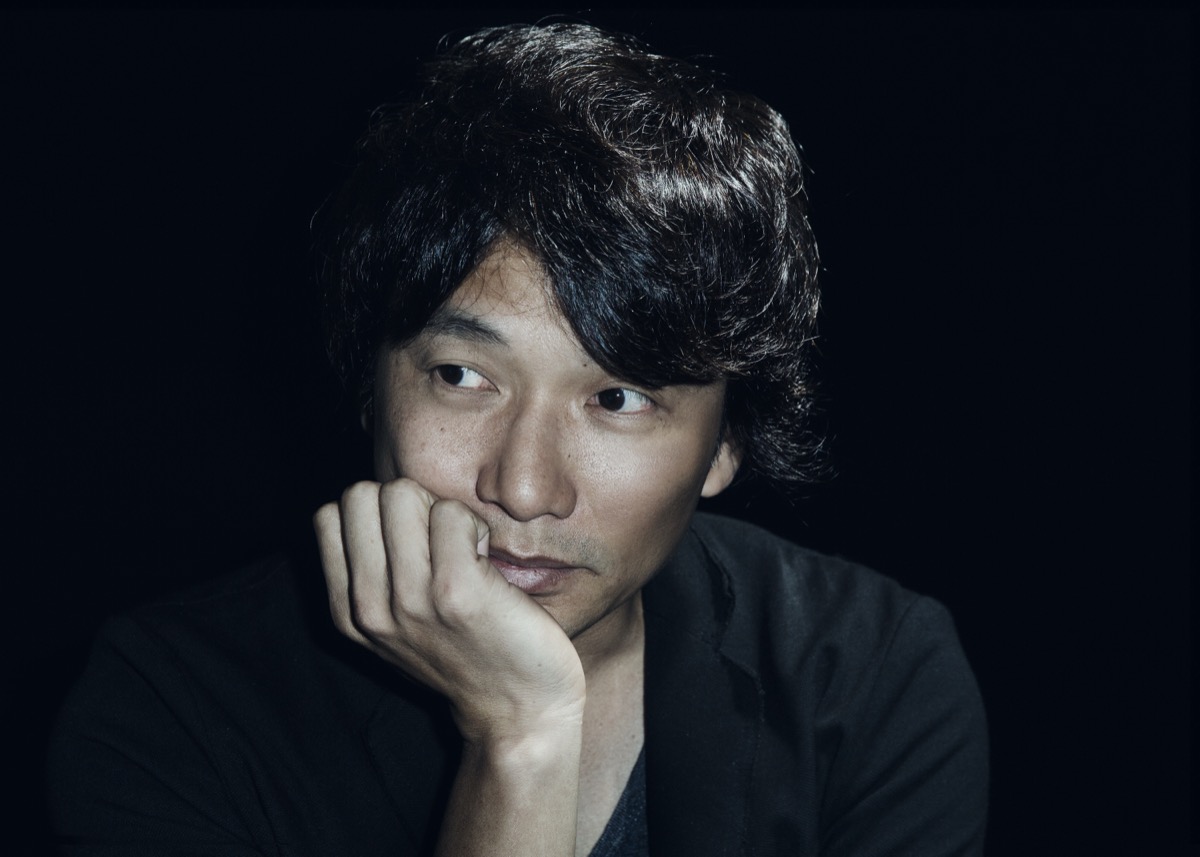
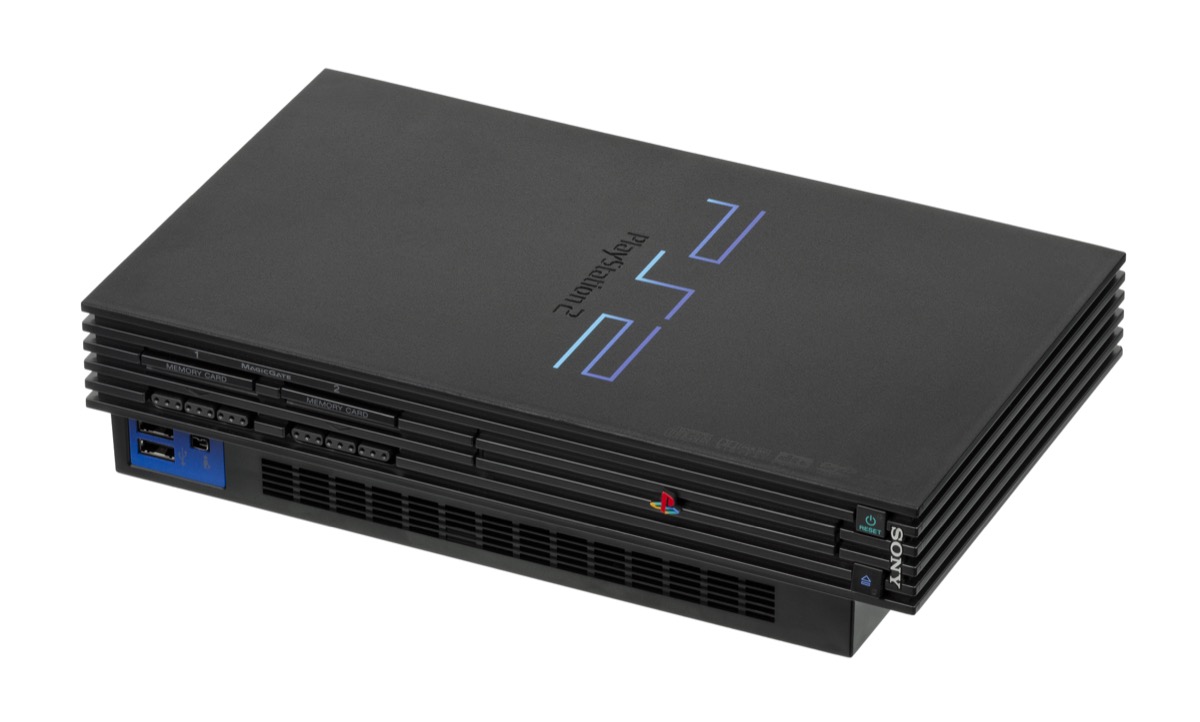
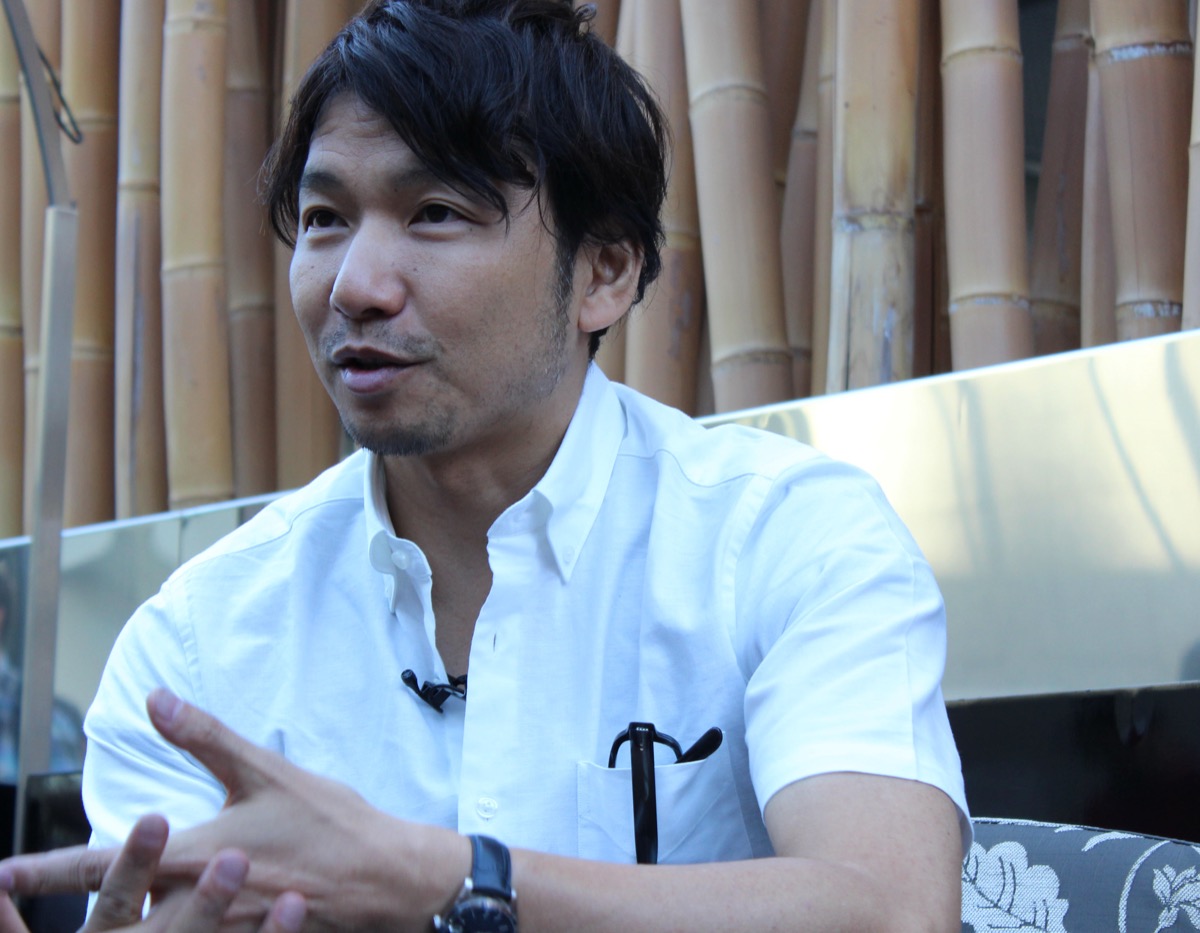
사진: 2016년 E3의 우에다 후미토, 촬영 AI Dreamy(CC BY-SA 4.0). PlayStation 2, 촬영 Evan-Amos(퍼블릭 도메인). 2017년 게임랩의 우에다, 촬영 Gamelab Congreso Videojuegos(퍼블릭 도메인). 출처 위키미디어 공용. ↩
-
David Sirlin, Subtractive Design — 『이코』 개발을 다룬 우에다의 2004년 GDC 강연 기록. “그다지 보기 좋지 않았던” 의자를 고치는 대신 잘라냈다는, 빼기의 디자인을 상징하는 일화가 담겨 있습니다. ↩↩↩↩↩