Designphilosophie: Miyamoto, der Spieler ist der Held

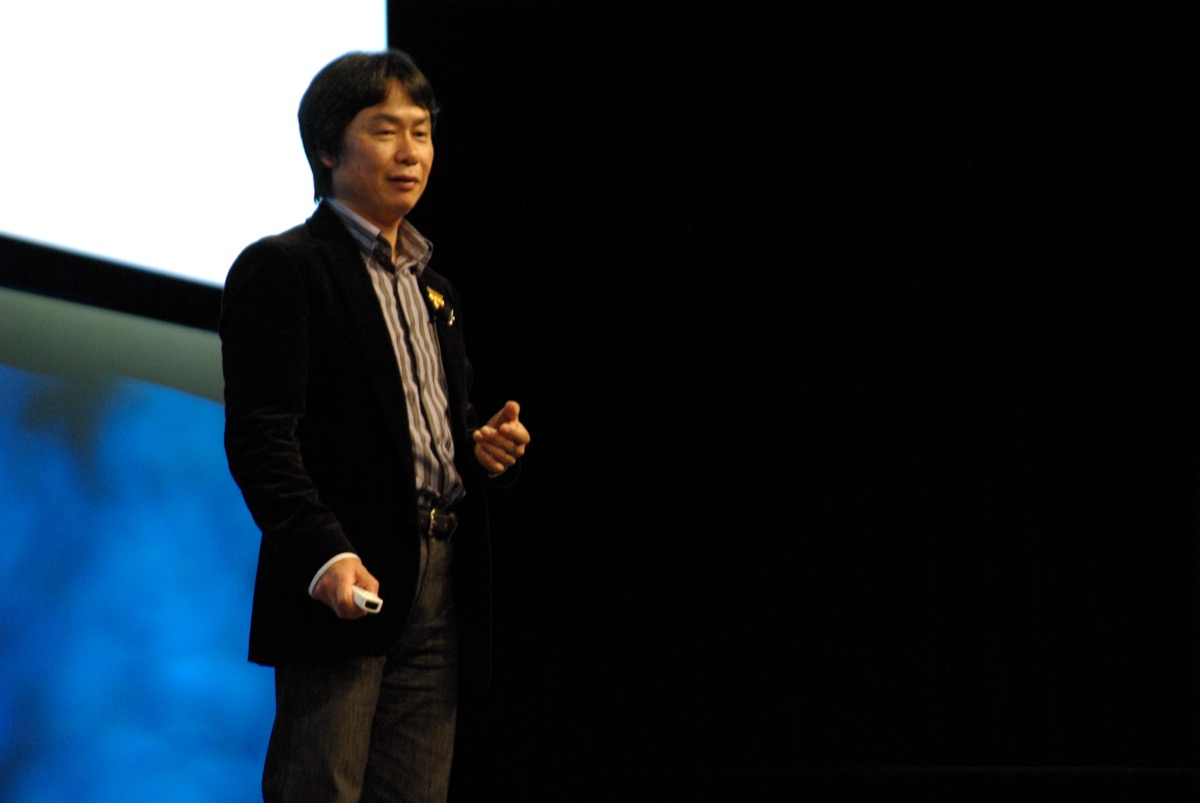
Das Prinzip
„Eine gute Idee ist etwas, das nicht nur ein einziges Problem löst, sondern mehrere Probleme auf einmal lösen kann.” – Shigeru Miyamotos Definition, so wie seine Kolleginnen und Kollegen sie kennenlernten1
Satoru Iwata hielt diese Definition für wichtig genug, um ein ganzes Kapitel seines eigenen Denkens darum herum zu bauen.1 Es klingt nach Projektmanagement, ist in Wahrheit aber eine Theorie der Eleganz. Marios Pilz macht die Figur größer – und signalisiert damit zugleich Stärke, schluckt einen Treffer, verändert, was sich zerschlagen lässt, und bleibt selbst auf einem unscharfen Fernsehbild sofort lesbar. Eine Idee, vier Probleme. Miyamotos Spiele wirken zwangsläufig, weil beinahe jedes Element darin gleich mehrfach tragend ist.
Das zweite Prinzip liegt unter dem ersten: Nicht der Designer ist der Held, sondern der Spieler. Miyamoto baut Spielplätze statt Aufführungen – er selbst spricht von Miniaturgärten – und beurteilt sie danach, was der Spieler tut und empfindet, nicht danach, was der Bildschirm zeigt. Spaß ist in seiner Praxis keine Stimmung. Er ist eine überprüfbare Eigenschaft, die man durch Prototypen aufspürt, und alles andere ordnet sich dieser Suche unter.
Kontext
Miyamoto kam 1952 in Sonobe zur Welt, einer Kleinstadt vor den Toren Kyotos, und wuchs einen großen Teil seiner Kindheit ohne Fernseher auf. Sein prägender Datensatz war das Land selbst: Er streifte über die Hügel, fand eines Tages eine Höhle, holte zu Hause eine Laterne und erkundete sie. Diese Höhle erzählt er seit Jahrzehnten immer wieder, denn The Legend of Zelda ist ihr direkter Nachfahre – das Staunen über ein Loch in der Welt, in das man nur mit dem eigenen Mut hineingeht.2
Am Kanazawa College of Art studierte er Industriedesign, und 1977 verschaffte ihm eine Verbindung seines Vaters ein Vorstellungsgespräch bei Hiroshi Yamauchi. Nintendo stellte ihn als ersten festangestellten Künstler ein.3 Als das Unternehmen Tausende unverkaufter Spielhallenautomaten in Amerika retten musste, fiel die Aufgabe dem jungen Künstler ohne jede Spielerfahrung zu – betreut vom Hardware-Meister des Hauses, Gunpei Yokoi. Das Ergebnis, Donkey Kong (1981), brachte etwas Neues in die Spielhalle: Figuren mit Motiven. Ein Schreiner, eine entführte Geliebte, ein eifersüchtiger Affe – eine Geschichte, die sich auf einen Blick erfassen lässt, gelegt um ein einziges Verb: springen.
Das Werk
Super Mario Bros. (1985): Welt 1-1 als wortlose Anleitung
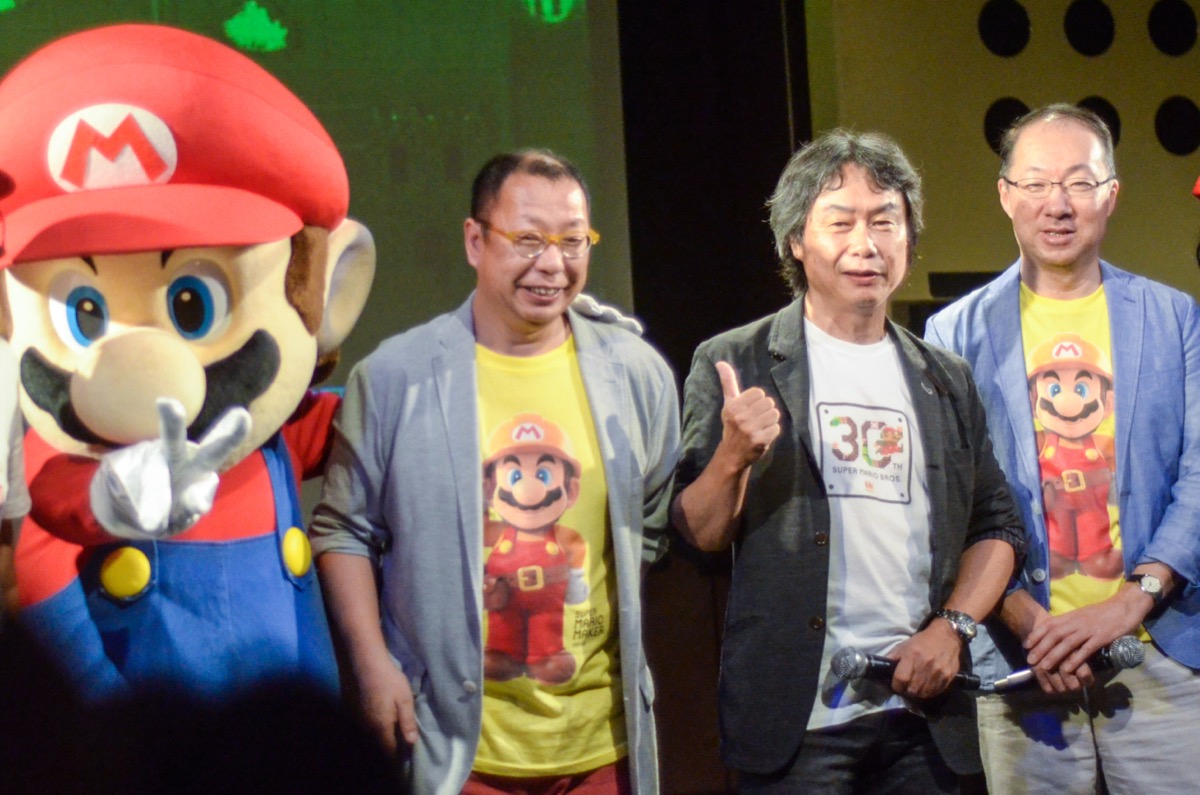
Gemeinsam mit Takashi Tezuka und dem Komponisten Koji Kondo schuf Miyamoto jenes Spiel, das die Heimkonsole definierte – und sein Startbildschirm ist bis heute das meistuntersuchte Designstück des Mediums. Welt 1-1 lehrt alles allein durch Anordnung: Der erste Gumba nähert sich im Schritttempo, damit man das Springen lernt; der erste Pilz sitzt unter einer niedrigen Decke fest, prallt zurück und rutscht einem entgegen, sodass er das Wachsen vorführt, ob man will oder nicht; Abgründe tauchen erst auf, wenn die Mittel zu ihrer Überwindung vorhanden sind. Kein Text, kein Tutorial. Der Level ist die Anleitung, und 40 Jahre Onboarding-Design – in Spielen und weit darüber hinaus – stammen davon ab.
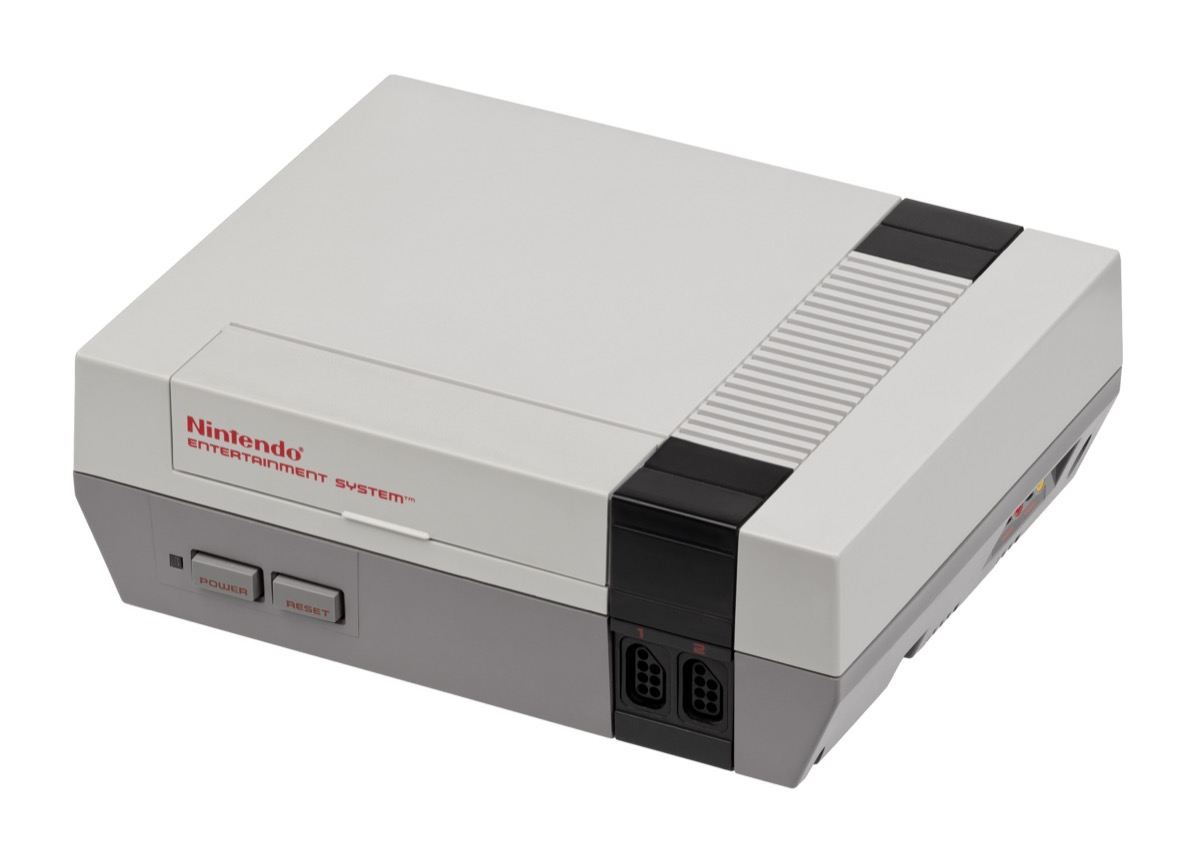
The Legend of Zelda (1986): Die ausgelieferte Höhle
Wenige Monate nach Mario erschienen, kehrte Zelda dessen Logik um. Wo Mario einen nach rechts durch einen Korridor wachsender Anforderungen zieht, setzt Zelda einen auf einem offenen Feld ab, aus allen Richtungen Gegner, und ein alter Mann in einer Höhle bietet ein Schwert an. Für 1986 war diese Wette radikal: dem Spieler zuzutrauen, verloren zu sein. Miyamoto füllte hier seine Kindheit in Flaschen – die Hügel, die Laterne, die Höhle – und seine Nachkommen, von den Open-World-Epen bis zum gesamten Erkundungsgenre, zehren bis heute von diesem Erbe.2
Die Produzentenjahrzehnte (1990er–2000er): Geschmack skalieren
Miyamotos spätere Laufbahn beantwortet eine schwierigere Frage: Wie regiert der Designsinn eines Einzelnen Hunderte von Projekten? Seine Antwort war kein Stil, sondern ein Satz übertragbarer Prüfungen. Die Definition einer Idee über mehrere gelöste Probleme. Prototypen statt Dokumente – den Kern des Spaßes in einer nackten Mechanik finden, bevor Geld in Grafik fließt. Und jener Eingriff, den seine Teams chabudai gaeshi nannten, „das Umkippen des Teetischs”: sein spätes Umwerfen fast fertiger Arbeit, wenn die Spaßprüfung misslang – gefürchtet, verübelt und meistens im Nachhinein bestätigt.1
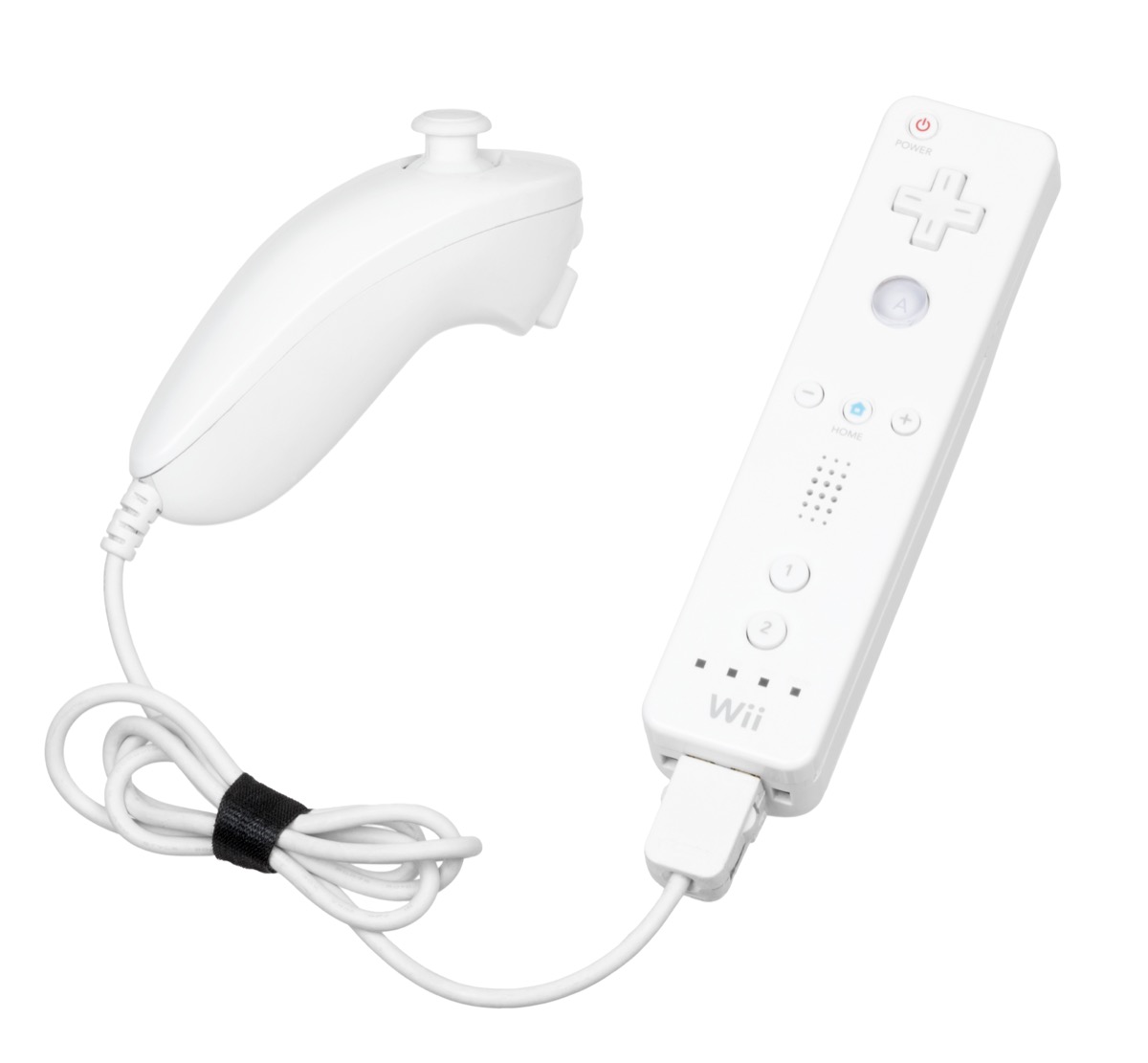
Wii (2006): Verwelktes Denken im Konsolenmaßstab
Die Wii ist der klarste späte Beweis dafür, dass Yokois Schule ihn innerhalb von Nintendo überlebt hat. Während die Konkurrenz Teraflops verkaufte, brachte Nintendo bescheidene Hardware auf den Markt und verlagerte die Neuerung auf die Bedienung: ein Bewegungscontroller in Gestalt einer Fernbedienung, absichtlich vertraut für Menschen, die nie ein Gamepad in der Hand hatten. Miyamotos Fingerabdrücke liegen auf der Philosophie ebenso wie auf den Spielen, die sie vermittelten – Wii Sports als Welt 1-1 für die eigene Großmutter. Gerade weil sie das Wettrennen um technische Daten vollständig verweigerte, wurde sie zu einer der meistverkauften Konsolen der Geschichte.34
Die Methode
Miyamotos Methode beginnt mit einer Überzeugung darüber, wo Ideen wohnen: nicht in Genres oder Technik, sondern im beobachteten Leben. Aus der Gartenarbeit wurde Pikmin, aus seiner Badezimmerwaage Wii Fit, aus dem Familienhund nintendogs. Die Aufgabe des Designers besteht darin, den Spaß zu bemerken, der in einer Tätigkeit ohnehin steckt, und die kleinste Maschine zu bauen, die ihn jemand anderem überbringt.
Danach übernehmen die Prüfungen. Amüsiert die Kernmechanik auch mit Platzhaltergrafik? Löst ein neues Element mehrere Probleme zugleich, oder ist es Dekoration? Lernen die Hände eines Neulings die Regeln, ohne dass man sie erklärt? Und wenn das Zusammengesetzte spät im Projekt die Prüfung des Spielgefühls nicht besteht, kippt der Teetisch – denn ein Veröffentlichungstermin ist wiederherstellbar, ausgelieferte Langeweile nicht.1 Das ist Handwerksdisziplin auf Jiro-Niveau, angewandt auf Vergnügen: Der Maßstab lautet nicht „funktioniert es”, sondern „bewegt es den Spieler”, und keine noch so fertige Grafik erkauft sich eine Ausnahme.
Einflusskette
Wer ihn geprägt hat
Gunpei Yokoi – der Mentor und die Methode. Yokoi betreute Donkey Kong, und seine Doktrin „Spaß zuerst, technische Daten zuletzt” wurde zu dem Rahmen, den Miyamoto mit Figuren und Welten füllte. Die Wii ist die Verschmelzung beider Philosophien: verwelkte Technologie, laterale Bedienung, Software als Spielplatz. (Prägende Mentorschaft)3
Das Land um Sonobe – der Inhalt. Die Höhlen, Flüsse und Hügel einer Kindheit ohne Fernseher sind die Urszene, die seine besten Arbeiten immer wieder nachbauen.2 (Prägende Erfahrung)
Wen er geprägt hat
Die Grammatik des Mediums. Figurengetriebenes Design, das wortlose Tutorial, die offene Welt als Vertrauen in den Spieler – der Arbeitswortschatz der gesamten Branche geht überproportional auf ihn zurück.
Design jenseits von Spielen. Welt 1-1 gilt inzwischen als Standardfallstudie für Onboarding und Produktdesign überhaupt; das Prototyping nach dem Motto „erst den Spaß finden” taucht in Studios auf, die nie ein Spiel veröffentlicht haben.
Der rote Faden
Mit Yokoi vervollständigt Miyamoto das Spielepaar dieser Reihe: der Ingenieur, der bescheidene Bauteile wählte, und der Künstler, der sie mit Leben füllte – Nintendos ganze Philosophie liegt in ihrer Schnittmenge. Auch die Bezüge zur übrigen Reihe sind stark: Susan Kare tat für den Schreibtisch, was Miyamoto für die Konsole tat, indem sie eine technische Maschine durch verspielte, lesbare Figuren vermenschlichte. Und er ist die große Gegenfigur zu Steve Jobs: Beide bestanden darauf, dass Technik der menschlichen Erfahrung dient, doch Jobs gestaltete für die Eleganz des Gebrauchs, Miyamoto für die Freude am Spiel – benachbarte Religionen, verschiedene Götter. (Brücke innerhalb der Reihe)
Was ich daraus mitnehme
Die Prüfung auf mehrere gelöste Probleme ist der schärfste Ideenfilter, den ich kenne, und ich lege ihn inzwischen direkt an Funktionen an: Löst eine vorgeschlagene Ergänzung genau ein Problem, ist sie vermutlich ein Pflaster im Kostüm einer Funktion; die Ergänzungen, die sich zu bauen lohnen, machen in dem Moment, in dem sie landen, drei andere Dinge einfacher. Welt 1-1 ist mein Maßstab fürs Onboarding – ein Produkt soll sich durch seine Anordnung selbst erklären, und jeder Tooltip ist die Entschuldigung für ein gescheitertes Layout. Und chabudai gaeshi ist die Disziplin, die mir am wenigsten Freude macht und die ich am dringendsten brauche: Wenn sich das Zusammengesetzte falsch anfühlt, hat die versunkene Grafik kein Stimmrecht. Späte Kehrtwenden sind jedes Mal billiger als ausgelieferte Mittelmäßigkeit.
Häufige Fragen
Was ist die Designphilosophie von Shigeru Miyamoto?
Ein Design, das den Spieler und den Spaß an die erste Stelle setzt: Miniaturgärten bauen, in denen der Spieler der Held ist, den „Kern des Spaßes” über frühe Prototypen aufspüren, bevor man in Inhalte investiert, und Ideen bevorzugen, die mehrere Probleme auf einmal lösen.1 Technik und Geschichte dienen dem Spielgefühl, niemals umgekehrt.
Warum ist Welt 1-1 aus Super Mario Bros. berühmt?
Der erste Level lehrt das gesamte Spiel ohne ein einziges Wort Text: Die Platzierung der Gegner bringt das Springen bei, der eingeklemmte erste Pilz führt Power-ups unfreiwillig vor, und Gefahren erscheinen erst nach ihren Lösungen. Es ist das kanonische Beispiel für Tutorial durch Leveldesign und wird weit außerhalb der Spielebranche als Meisterstück des Onboardings studiert.
Wie entstand The Legend of Zelda?
Aus Miyamotos Kindheit in Sonobe vor den Toren Kyotos – vor allem aus dem Tag, an dem er in den Hügeln eine Höhle fand und mit einer Laterne zurückkehrte, um sie zu erkunden. Zelda wurde gebaut, um genau dieses Gefühl selbstbestimmten Entdeckens herzustellen; deshalb beginnt es mit einer unerklärten Welt statt mit einem Korridor voller Anweisungen.2
Wie war Miyamotos Verhältnis zu Gunpei Yokoi?
Yokoi, der erfahrene Hardwaredesigner Nintendos, betreute den jungen Miyamoto bei Donkey Kong (1981), dessen erstem Spiel.3 Yokoi steuerte die Ingenieursdoktrin des Spaßes zuerst und den Pragmatismus der Hardware bei; Miyamoto ergänzte Figuren, Welten und erzählerischen Charme. Nintendos beständige Identität – bescheidene Technik, größtmögliches Spiel – ist die Verschmelzung beider und lässt sich vom Game Boy über die Wii bis zur Switch verfolgen.
-
Satoru Iwata, Ask Iwata: Words of Wisdom from Satoru Iwata, Nintendo’s Legendary CEO (Viz Media, 2021) – Iwatas Schilderung von Miyamotos Definition einer guten Idee als einer, die mehrere Probleme auf einmal löst, seiner Methode, den Spaß zuerst am Prototyp aufzuspüren, und der späten Kehrtwenden, die seine Teams chabudai gaeshi („das Umkippen des Teetischs”) nannten. ↩↩↩↩↩
-
Nick Paumgarten, “Master of Play”, The New Yorker (20. Dezember 2010) – die Kindheit in Sonobe ohne Fernseher, die Streifzüge über die Hügel, die im Laternenlicht betretene Höhle und deren direkte Linie zu The Legend of Zelda. ↩↩↩↩
-
Shigeru Miyamoto, Wikipedia – biografisches Gerüst: 1952 in Sonobe, Präfektur Kyoto, geboren; Industriedesign am Kanazawa College of Art; 1977 über eine Empfehlung an Hiroshi Yamauchi als erster festangestellter Künstler bei Nintendo eingestellt; Donkey Kong (1981) unter der Aufsicht von Gunpei Yokoi; Super Mario Bros. und The Legend of Zelda (1985–86); Leitung von Nintendo EAD; die von der Bedienung her gedachte Designära der Wii. ↩↩↩↩
-
Fotos: Miyamoto auf der GDC 2007 von Vincent Diamante (CC BY-SA 2.0); Nintendo Entertainment System sowie Wii-Fernbedienung mit Nunchuk von Evan-Amos (gemeinfrei); Tezuka, Miyamoto und Kondo beim 30. Jubiläum von Super Mario Bros. von Nico Hofmann (CC BY-SA 4.0). Via Wikimedia Commons. ↩