Philosophie du design : Renzo Piano, pièce par pièce

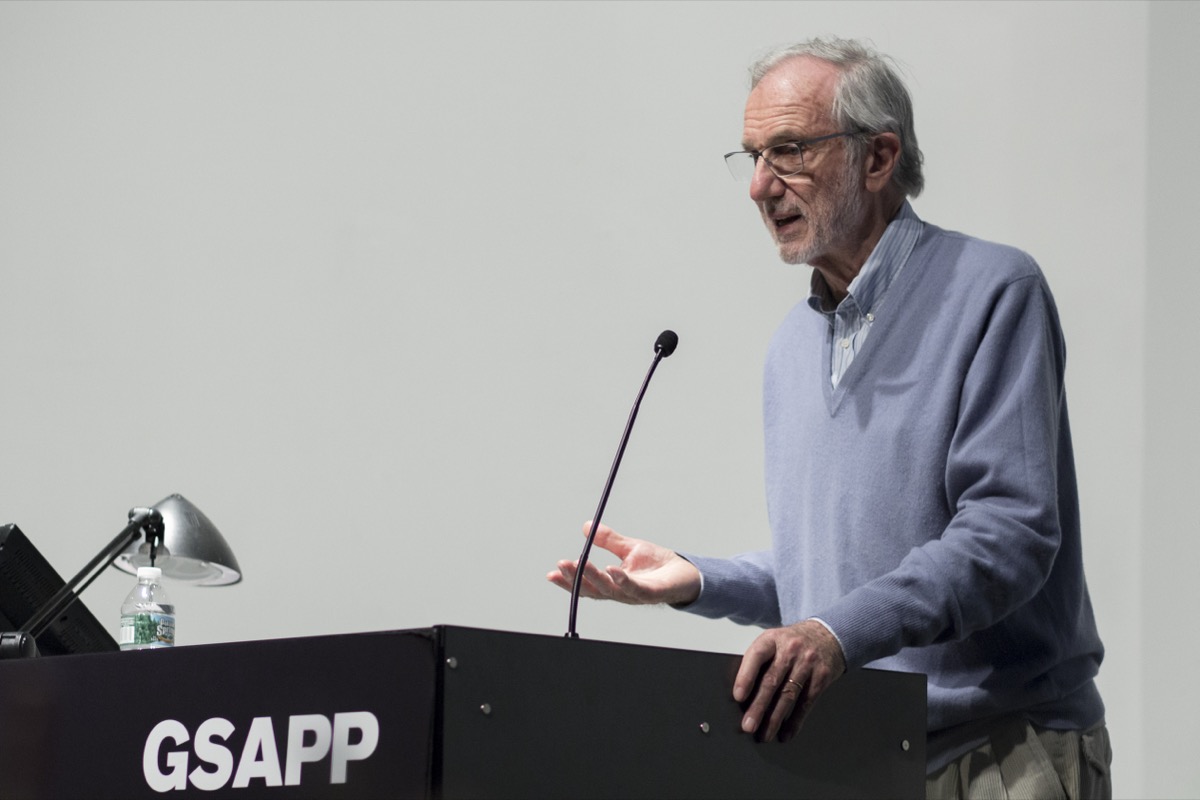
Le principe
« D’abord, l’architecture est un service, au sens le plus littéral du terme. C’est un art qui produit des choses qui servent à quelque chose. Mais c’est aussi un art socialement dangereux, parce que c’est un art imposé. Vous pouvez reposer un mauvais livre ; vous pouvez éviter d’écouter une mauvaise musique ; mais vous ne pouvez pas manquer la tour laide en face de chez vous. » – Renzo Piano, discours de réception du prix Pritzker, 19981
La plupart des credos artistiques revendiquent la liberté. Celui de Piano part du fait inverse : l’architecture est le seul art que le public ne peut pas refuser. De cette asymétrie, il déduit tout – l’humilité (« il faut une approche légère. Légère, mais sans abandonner l’obstination qui vous permet d’avancer vos propres idées tout en restant perméable à celles des autres »), la discipline et le refus du style comme but. « Qui a dit que la créativité devait être libre de toute contrainte ? », a-t-il demandé au public du Pritzker. « L’interprétation de la société et de ses besoins, c’est la richesse de l’architecture. »1
Contexte
Piano est né à Gênes en 1937 dans une famille de bâtisseurs, et il n’a jamais raconté ses origines autrement : « J’ai toujours aimé aller sur les chantiers avec mon père et voir les choses naître de rien… Pour un enfant, un chantier, c’est de la magie : aujourd’hui vous voyez un tas de sable et de briques, demain un mur qui tient debout tout seul. »1 Il avait sept ans en 1945, quand la reconstruction de l’Italie d’après-guerre a commencé ; il attribue à cette période une « croyance obstinée dans l’avenir » qui ne l’a jamais quitté.1
Cette croyance a été mise à l’épreuve tôt. En 1971, Piano et Richard Rogers – l’ancien associé de Norman Foster au sein de Team 4 – ont remporté, presque inconnus, le concours du Centre Pompidou à Paris. Le bâtiment qu’ils ont livré en 1977 a retourné l’architecture comme un gant, et le scandale a fait les deux carrières.3 Le jury du Pritzker, en décernant le prix à Piano en 1998, a remonté au-delà du siècle pour trouver des comparaisons : une « fusion de l’art, de l’architecture et de l’ingénierie en une synthèse véritablement remarquable » rappelant « ces maîtres anciens de sa terre natale, Léonard de Vinci et Michel-Ange ».2 Piano a esquivé la comparaison avec Brunelleschi dans son discours de réception : « Si je dois me comparer à quelqu’un, je préfère Robinson Crusoé, un explorateur capable de survivre en terre étrangère. »1
L’œuvre
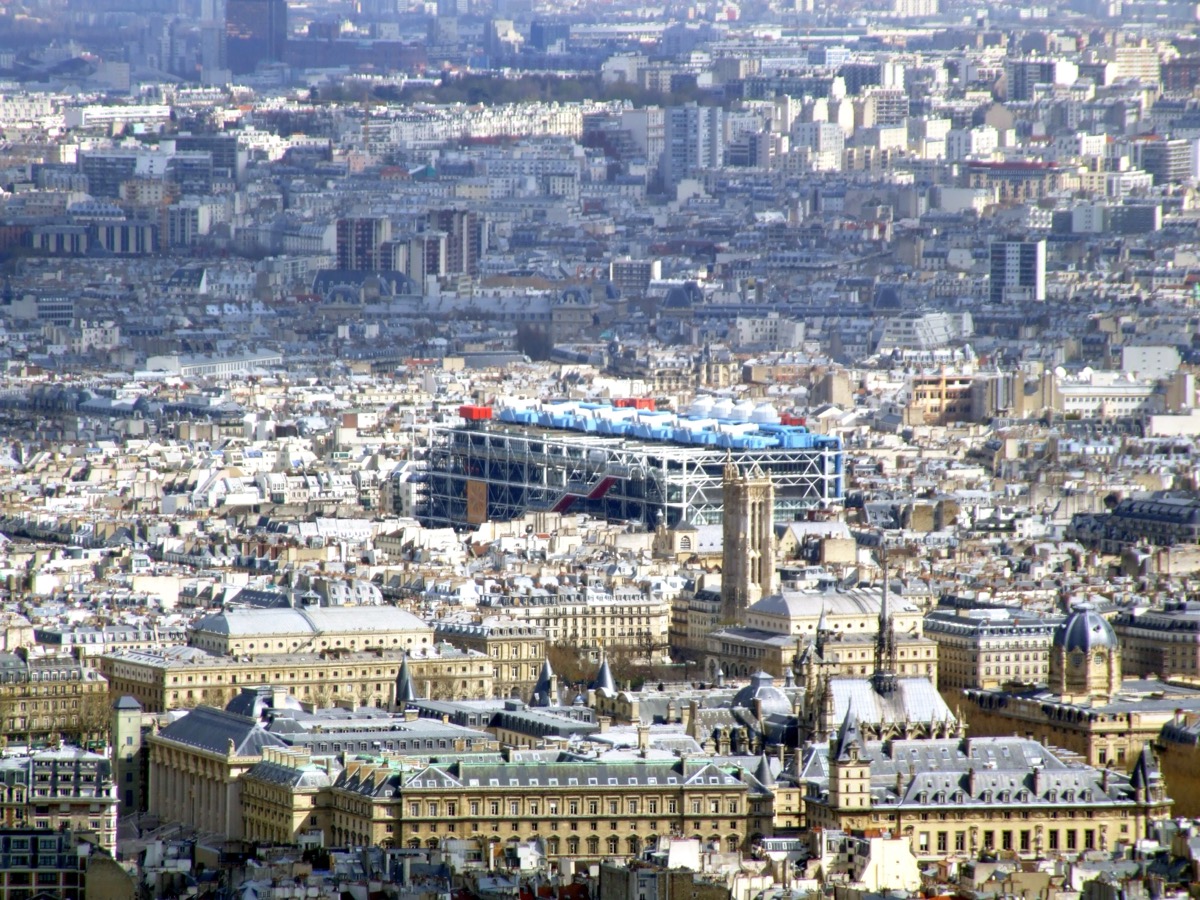
Le Centre Pompidou (1977) : le bâtiment retourné comme un gant
Structure, gaines, escaliers mécaniques – tout ce qu’un bâtiment classique cache, le Pompidou le porte sur sa peau, en code couleur, libérant de vastes plateaux sans obstacle pour l’art et transformant la moitié de sa parcelle en une piazza publique en pente. On l’a traité de raffinerie de pétrole au cœur de Paris ; il est devenu l’un des bâtiments les plus visités d’Europe. L’argument du jeune Piano n’était pas le choc. C’était qu’une institution culturelle pouvait cesser d’être un temple pour devenir une machine à curiosité, ouverte sur la rue.
La Menil Collection (1987) : la lumière comme matériau de construction
À Houston, Piano a construit l’anti-Pompidou : un musée bas et silencieux où toute l’invention loge dans le toit – des centaines de « feuilles » courbes en ferrociment qui filtrent le soleil du Texas en une lumière du jour égale et vivante. « Dans mon architecture, j’essaie d’utiliser des éléments immatériels comme la transparence, la légèreté, la vibration de la lumière », a-t-il dit à la cérémonie du Pritzker. « Je crois qu’ils font autant partie de la composition que les formes et les volumes. »1 La Menil est cette phrase à l’état construit, et elle a fait de lui l’architecte par défaut des musées du monde entier.
L’aéroport international du Kansai (1994) : l’aile longue d’un mile
Sur une île artificielle de la baie d’Osaka, le terminal de Piano est une seule vague de toit asymétrique, dont la géométrie dérive de l’air qui la traverse, construite pour fléchir sous les séismes et les typhons. Elle joint l’audace de l’ingénierie à son image d’enfance de la construction comme magie – une île entière, puis un bâtiment comme une aile de planeur posée dessus.
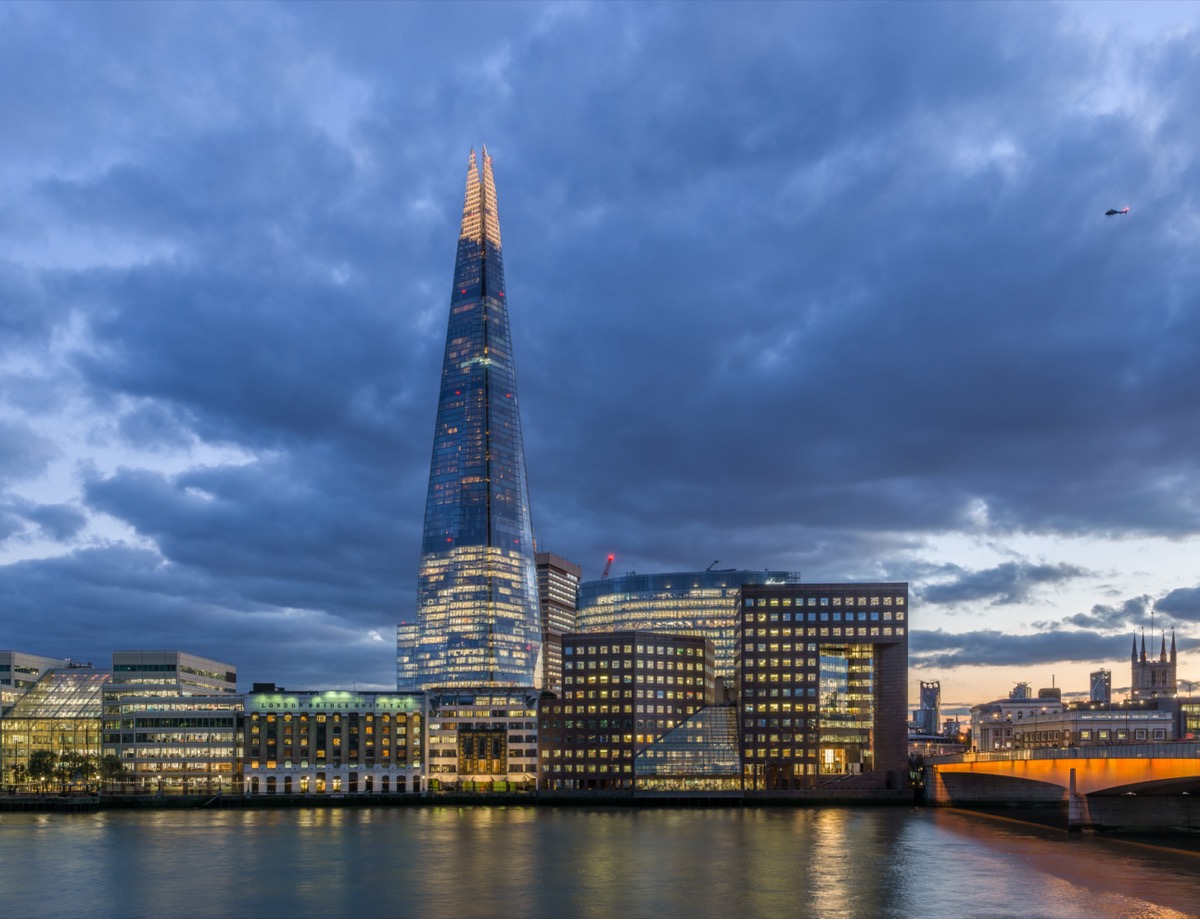
The Shard (2012) : la ville verticale
La tour londonienne de Piano répond à la question de la silhouette urbaine autrement que le Gherkin de Foster, de l’autre côté du fleuve : non pas un objet aérodynamique scellé, mais une flèche d’éclats de verre inclinés qui ne se touchent jamais tout à fait et se dématérialisent dans le ciel. Bureaux, hôtel, appartements et galeries d’observation publiques s’empilent en ce qu’il a appelé une ville verticale. Les Londoniens en ont débattu, puis l’ont adoptée ; la paire de tours – la sienne et celle de Foster – définit aujourd’hui la silhouette qu’elles ont un jour dérangée.
La méthode
Le nom de l’agence est la philosophie : Renzo Piano Building Workshop. Ni studio, ni bureau – atelier. L’architecture, a-t-il dit au public du Pritzker, est un iceberg : la pointe visible repose sur les sept huitièmes de masse immergée, « la société, la science et l’art ».1 L’atelier est l’endroit où les trois se rencontrent chaque jour, dans des maquettes physiques, des prototypes d’assemblages à l’échelle 1 et des prototypes testés comme des instruments. Chaque projet se voit inventer sa pièce : la feuille de toit de la Menil, les poutres flexibles du Kansai, le verre incliné du Shard. Le bâtiment est ensuite assemblé à partir de cette pièce – pièce par pièce, la méthode de l’artisan portée à l’échelle des institutions.
Son mot constant est légèreté, et il veille à ce qu’il signifie plus que le poids : « À l’époque de mes premiers travaux, c’était un jeu, un défi plutôt naïf d’espaces sans forme et de structures sans poids. Plus tard, c’est devenu ma manière d’être architecte. »1 Légèreté de la structure, du contact avec la ville, de la présence institutionnelle. Le Pompidou est énorme et lourd ; il se pose avec légèreté parce qu’il rend une piazza et ne cache rien.
Chaîne d’influence
Qui l’a façonné
Le chantier génois – le monde de son père, fait de maçons et de matériaux, qui lui a donné « une relation particulière avec l’art de ‘faire’ ».1 La méthode de l’atelier, c’est cet héritage institutionnalisé. (Fondement formateur)
Brunelleschi et l’homo faber de la Renaissance – l’architecte comme inventeur à la fois du bâtiment et des machines qui le construisent. Le discours de réception de Piano s’attarde sur Brunelleschi concevant la grue en même temps que la coupole : « l’architecture est aussi une recherche ».1 (Ascendance choisie)2
Qui il a façonné
Le musée moderne. Après la Menil, les musées bas, accordés à la lumière du jour et à l’échelle du quartier sont devenus un type mondial ; Piano lui-même en a construit une part disproportionnée (Beyeler, Nasher, extension du Kimbell, Whitney), définissant la façon dont une génération fait l’expérience de l’art.
L’aile humaniste du high-tech. La génération Pompidou a appris de Rogers et de Foster que la structure pouvait être expression ; de Piano, elle a appris qu’elle pouvait aussi être artisanat – qu’une ingénierie apparente peut sembler faite à la main plutôt qu’usinée par des systèmes.
Le fil conducteur
Piano et Foster partagent un point d’origine (Rogers), un mouvement et une foi dans l’ingénierie, et sont en désaccord sur ce à quoi sert la technologie. Celle de Foster aspire à l’inévitable – le système perfectionné. Celle de Piano aspire à la preuve du faire – l’assemblage lisible, la pièce qu’on imagine posée par une main. C’est Hara et Rams inversés en structure : Tadao Ando partage la révérence de Piano pour la lumière et l’artisanat tout en refusant sa transparence ; là où le béton d’Ando enclôt le silence, le verre de Piano dissout l’institution dans la ville. (Passerelle de série)
Ce que j’en retiens
« Un art socialement dangereux, parce que c’est un art imposé » est la phrase la plus vraie que je connaisse sur les plateformes logicielles. Les utilisateurs ne peuvent pas reposer le parcours de paiement, la mise à jour du système, le formulaire que leur gouvernement les oblige à remplir – ce qui fait de la qualité par défaut une question morale, exactement comme Piano la pose. Et la méthode pièce par pièce du Building Workshop est ma façon de penser la conception des systèmes : inventer le composant porteur, le tester à l’échelle 1, puis assembler – l’argument selon lequel le goût est un système technique, pratiqué en feuilles de ferrociment avant de l’être en code.
Questions fréquentes
Quelle est la philosophie de design de Renzo Piano ?
L’architecture comme service et comme artisanat. Piano appelle l’architecture « un art socialement dangereux, parce que c’est un art imposé » – le public ne peut pas détourner les yeux d’un mauvais bâtiment – et répond à cette responsabilité par une « approche légère » : légèreté de la structure, transparence, et bâtiments assemblés pièce par pièce à partir de composants inventés, dans la tradition d’atelier de sa famille de bâtisseurs.1
Quels sont les bâtiments les plus célèbres de Renzo Piano ?
Le Centre Pompidou (Paris, 1977, avec Richard Rogers), la Menil Collection (Houston, 1987), l’aéroport international du Kansai (Osaka, 1994), le centre scientifique NEMO (Amsterdam), la Potsdamer Platz (Berlin), The Shard (Londres, 2012) et le Whitney Museum (New York, 2015), parmi une longue liste de musées dans le monde.2
Pourquoi Renzo Piano a-t-il reçu le prix Pritzker ?
Le jury de 1998 a cité sa « rare fusion de l’art, de l’architecture et de l’ingénierie en une synthèse véritablement remarquable », comparant sa curiosité intellectuelle et sa capacité à résoudre les problèmes à Léonard de Vinci et Michel-Ange, et notant sa quête incessante « de nouvelles dimensions dans ses structures ».2
Que signifie « Renzo Piano Building Workshop » ?
Le nom de l’agence déclare la méthode : un atelier, pas un studio – maquettes physiques, prototypes à l’échelle 1 et invention de composants propre à chaque projet (les feuilles de toit filtrant la lumière de la Menil, le verre incliné du Shard), assemblés en bâtiments pièce par pièce.1
-
Renzo Piano, discours de réception du prix Pritzker 1998 (The Hyatt Foundation) – « l’architecture est un service… un art socialement dangereux » ; l’approche légère ; l’iceberg de la société, de la science et de l’art ; la légèreté comme manière d’être architecte ; l’enfance sur les chantiers de Gênes ; Robinson Crusoé ; Brunelleschi et la grue. ↩↩↩↩↩↩↩↩↩↩↩↩
-
The Pritzker Architecture Prize, Jury Citation : Renzo Piano (1998) – la synthèse à la Léonard/Michel-Ange, la quête de nouvelles dimensions et le panorama de la carrière. ↩↩↩↩
-
Photographies : Renzo Piano en conférence à la Columbia GSAPP (CC BY 2.0) ; le Centre Pompidou depuis la tour Montparnasse (CC0) ; The Shard au coucher du soleil, par Colin (CC BY-SA 4.0). Toutes via Wikimedia Commons. ↩











