Filosofia de Design: Dapper Dan — Knock-Ups, Não Knock-Offs

O Princípio
“Eu não fazia knock-offs. Eu fazia knock-ups. Um knock-off é quando você copia o design de outra pessoa. Um knock-up é quando você pega o design de outra pessoa e faz melhor.” – Dapper Dan1
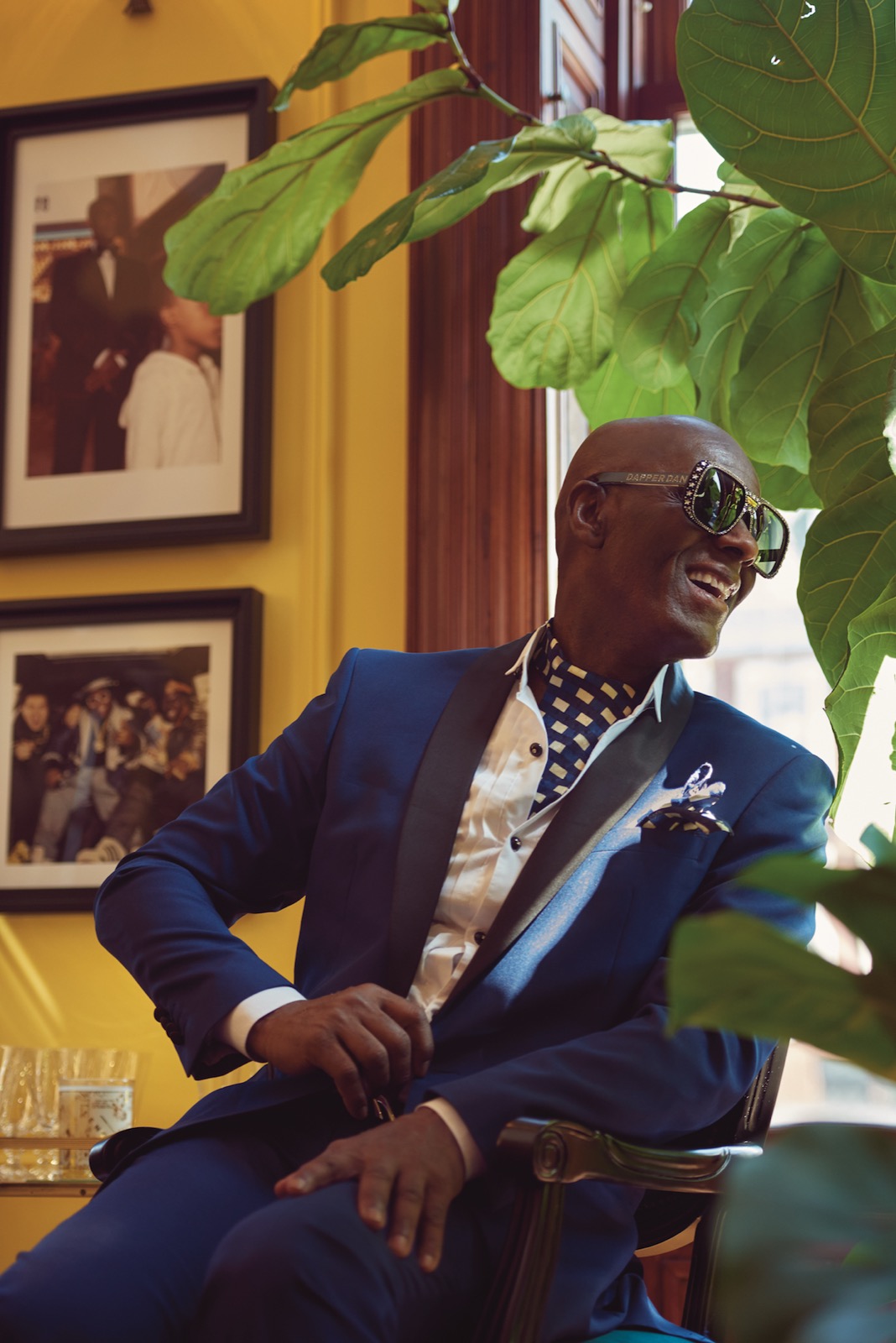
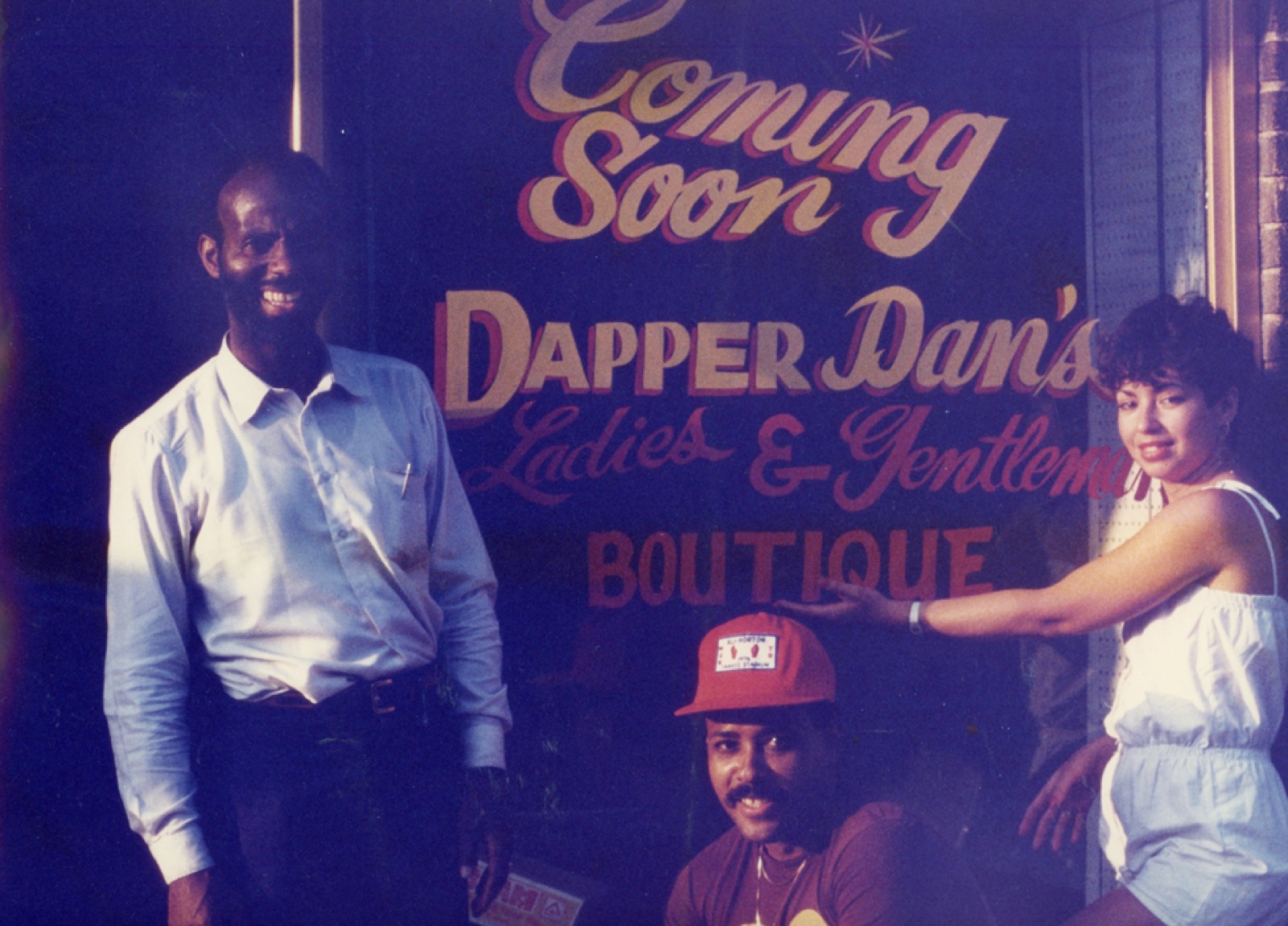
Daniel Day, conhecido como Dapper Dan, operou uma boutique 24 horas na Rua 125 no Harlem de 1982 a 1992. Ele serigrafiava os logos da Louis Vuitton, Gucci, Fendi e MCM em couros premium – avestruz, vison, píton – e costurava peças únicas para artistas de hip-hop, atletas e traficantes. Ele não estava falsificando. Estava inventando uma forma nova: sportswear de luxo que não existia na linha de produtos de nenhuma maison, usando a linguagem visual dessas marcas para criar algo que elas jamais haviam imaginado.
O establishment da moda o fechou. Depois, vinte e cinco anos mais tarde, começaram a copiá-lo. Quando a coleção Resort 2018 da Gucci apresentou uma jaqueta praticamente idêntica a uma que Dan havia feito para a medalhista de ouro olímpica Diane Dixon em 1989, a ironia se completou. O mesmo sistema que o havia processado até tirá-lo do mercado agora se apropriava do seu trabalho sem dar crédito. A resolução – a Gucci levou Dan à Itália, reabriu seu ateliê e estabeleceu uma parceria criativa formal – é a inversão de poder mais significativa da história da moda moderna.
Contexto
Dapper Dan cresceu no Harlem. Sua mãe, Lily, era artista e desenhava ilustrações de moda. Ele assistiu a um discurso de Malcolm X que moldou sua visão de mundo: “Se você quer entender a flor, estude a semente.” Entre 1968 e 1974, viajou pela África por meio de um programa da Columbia University/Urban League, visitando Gana, Tanzânia, Quênia, Uganda, Nigéria, Etiópia e Egito. Em Lagos e Monróvia, viu alfaiates locais fazendo “ternos elegantes, com design europeizado, feitos em tecidos regionais.” Voltou ao Harlem com o entendimento de que moda não era algo que descia de Paris. Era algo que comunidades criavam com os materiais disponíveis.2
“Eu africanizei as peças. Eu as enegrecirei,” ele disse.3
Aprendeu impressão têxtil sozinho na biblioteca pública. Inventou um composto químico que fazia logos serigrafiados aderirem permanentemente ao couro – uma técnica que nenhuma maison possuía porque nenhuma havia tentado. Não conseguia comprar de atacadistas de luxo – eles se recusavam a vender para ele – então criou sua própria cadeia de suprimentos: adquiria couro cru, serigrafiava os logos ele mesmo e empregava 27 alfaiates senegaleses que trabalhavam em turnos em uma loja que ficava “aberta 24 horas por dia, sete dias por semana, 365 dias por ano.”4
Sua clientela era específica: artistas de hip-hop, boxeadores, traficantes e qualquer pessoa no Harlem que quisesse anunciar sua presença através da roupa. LL Cool J usou um bomber Gucci vermelho. Eric B. & Rakim usaram jaquetas Gucci combinando para capas de álbum. Bobby Brown usou ternos Gucci. Salt-N-Pepa usaram conjuntos completos. Alpo Martinez, um notório traficante, encomendou onze ternos a aproximadamente US$ 10.000 cada, alguns com bolsos profundos projetados para esconder armas. A boutique era simultaneamente um estúdio de design, um centro comunitário e um ponto de encontro para as pessoas mais poderosas e mais perigosas do Harlem.2
“Um logo é como um diamante,” Dan explicou. “Um diamante sinaliza que você tem dinheiro. Um logo tinha o mesmo efeito.”5
A Obra
As Jaquetas de Logo (1982-1992): Inventando uma Categoria
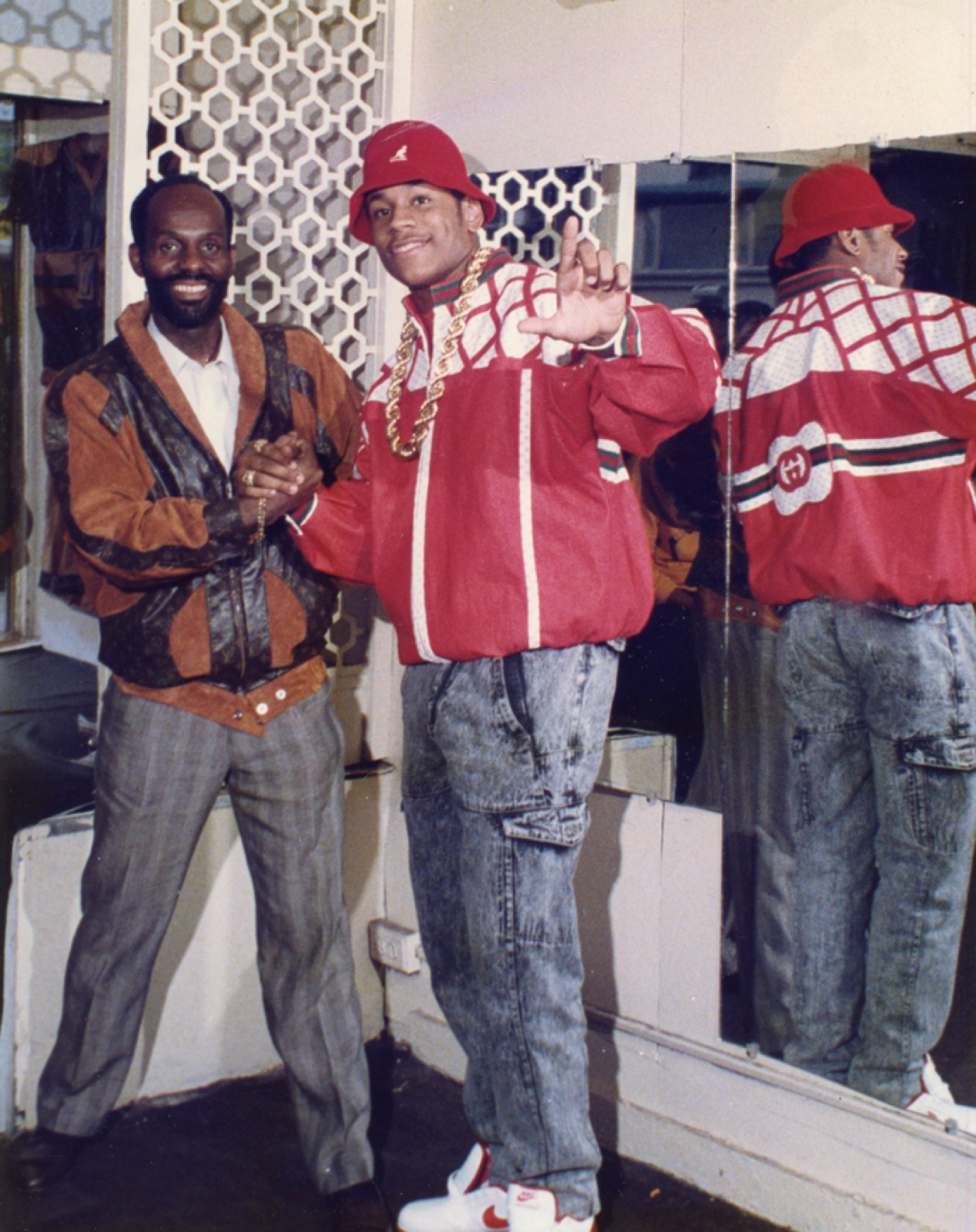
Nenhuma maison de luxo nos anos 1980 produzia sportswear com seus logos. Louis Vuitton fazia artigos de couro. Gucci fazia artigos de couro. Fendi fazia peles. Nenhuma delas fazia jaquetas bomber, conjuntos esportivos ou peças completas de couro estampadas com seus monogramas. Essa categoria – sportswear de luxo com logos – foi inventada por Dapper Dan em uma loja no Harlem.
As decisões de design eram específicas para o cliente e a cultura. Cada peça era sob medida – criada em colaboração com a pessoa que a vestiria. “O que eu faço é trabalhar com pessoas que têm uma visão, e eu tento mostrar como desenvolver essa visão com base no que eu sei. Então se torna uma colaboração entre eu e o cliente.”4
A técnica era igualmente específica. Dan serigrafiava monogramas de luxo em couro usando um processo químico que ele mesmo desenvolveu. As estampas eram permanentes – não descascavam, rachavam nem desbotavam. Ele combinava couros estampados com peles, peles exóticas e painéis de tecido para criar peças que nenhuma fábrica em Milão ou Paris poderia produzir, porque nenhuma fábrica tinha o acervo de modelagens, o contexto cultural ou os relacionamentos com clientes para tentar.
O tratamento acadêmico do Metropolitan Museum of Art enquadra sua obra dentro da linhagem da inovação sartorial negra, conectando Dapper Dan à fotografia da Harlem Renaissance de James Van Der Zee e às “linhagens ocultas de costureiras negras” que criavam moda para suas comunidades sem reconhecimento institucional.6
A Jaqueta de Mike Tyson (1988): A Foto que Mudou Tudo
Em agosto de 1988, Mike Tyson chegou à boutique 24 horas por volta das 4h da manhã para buscar uma peça sob encomenda. Mitch “Blood” Green, que havia perdido para Tyson em uma luta de 1986, entrou na loja buscando revanche. Uma briga estourou. Tyson foi fotografado usando uma jaqueta Dapper Dan personalizada com o logo da Fendi. Um funcionário da loja capturou imagens cujos direitos veículos de notícias ofereceram até US$ 150.000. A foto foi ao ar durante um intervalo do Monday Night Football.7
“Aquilo foi viral,” Dan disse. “Tão viral quanto era possível para a época, e foi isso que me deu toda a publicidade que fez as marcas ficarem muito cientes do que eu estava fazendo lá no norte de Manhattan.”7
A publicidade foi uma catástrofe disfarçada de triunfo. A Fendi descobriu a dimensão da operação de Dan e iniciou ações legais. Em 1992, a polícia de Nova York invadiu a loja, apreendendo roupas, tecidos e materiais. Dan foi forçado a fechar. Continuou costurando em um porão, clandestinamente, por vinte e cinco anos.8
Uma narrativa comum diz que “marcas de luxo processaram Dapper Dan.” A realidade jurídica é mais específica: apenas a Fendi comprovadamente entrou com processo. A Gucci negou explicitamente ter processado Day. A maioria das marcas enviou notificações extrajudiciais, mas não iniciou litígio formal. O resultado, porém, foi o mesmo: a loja fechou, e a operação de moda mais inovadora da América desapareceu.8
A Virada da Gucci (2017-2018): Eles Precisaram Ser Nós
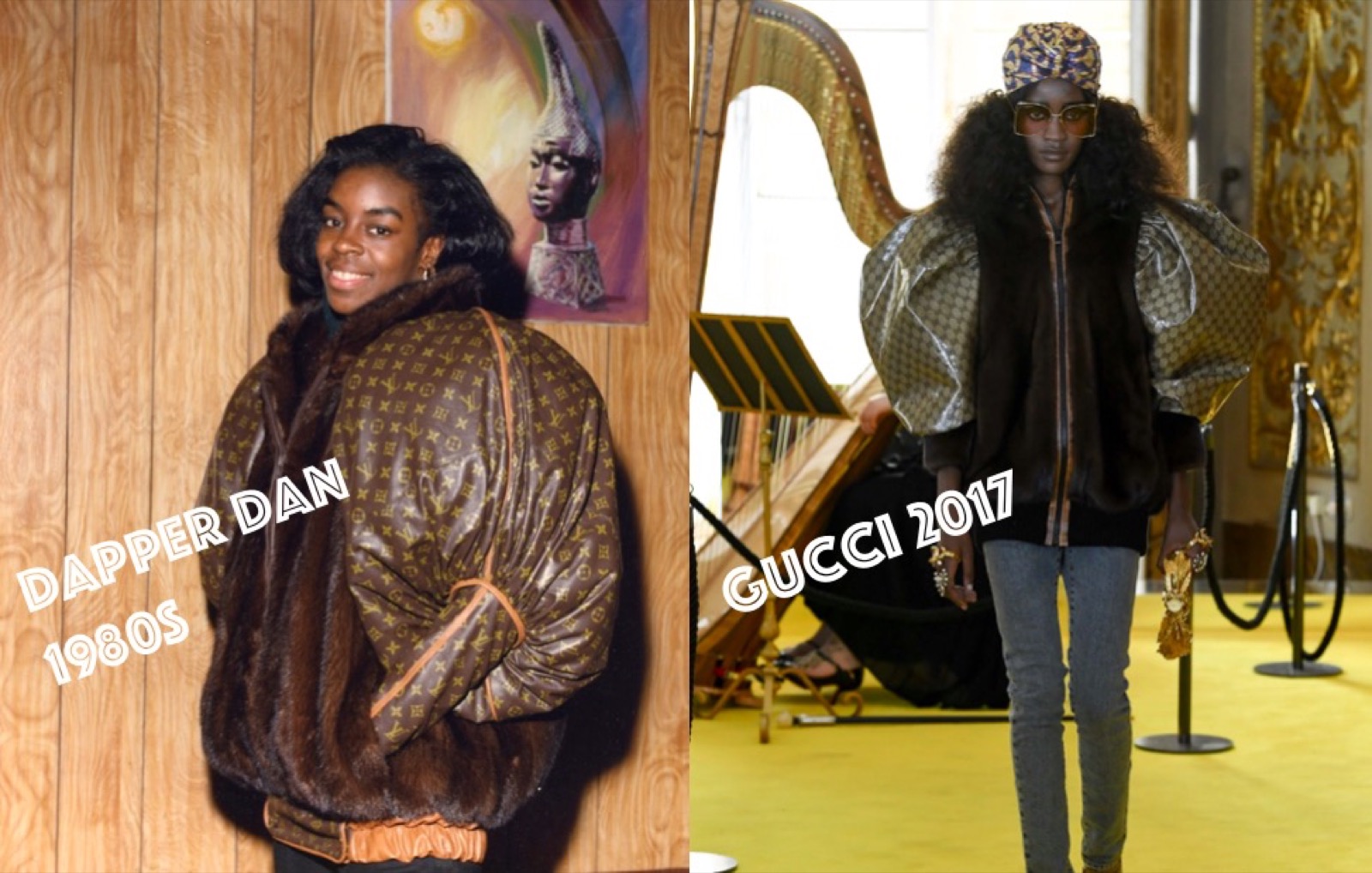
Em maio de 2017, a Gucci apresentou sua coleção Resort 2018. O look 33 era um colete de pele com zíper, mangas volumosas e estampa com monograma Gucci. Era praticamente idêntico a uma jaqueta que Dapper Dan havia feito para a medalhista de ouro olímpica Diane Dixon em 1989. Dixon publicou fotos comparativas no Instagram: “Bish stole my look.”9
A internet reagiu. O mesmo establishment de luxo que havia fechado Dan agora o copiava sem dar crédito. A Gucci inicialmente descreveu a jaqueta como “uma homenagem e não uma reapropriação.” Após uma reação pública intensa, o diretor criativo da Gucci, Alessandro Michele, levou Dan à Itália. O resultado foi sem precedentes: a Gucci ajudou a reabrir o ateliê de Dan na Lenox Avenue em um brownstone histórico de 437 metros quadrados – a primeira loja de uma maison de luxo no Harlem – e estabeleceu uma parceria criativa formal. A coleção cápsula foi lançada em julho de 2018.9
“Todo mundo prestou homenagem a Dapper Dan, mas ninguém jamais o pagou,” Dan observou.5
A virada é o momento mais importante na dinâmica de poder da moda moderna. A frase de Dan captura isso com precisão: “Normalmente, nós precisávamos ser eles para ter sucesso. Nós fizemos com que eles precisassem ser nós para ter sucesso.”1
O Método
Dan não sabe costurar. Nunca soube. Ele dependia de modelistas, costureiras e 27 alfaiates senegaleses que trabalhavam em turnos para manter a boutique funcionando 24 horas por dia. Seu papel era a direção criativa: entender o que cada cliente queria comunicar com sua roupa e traduzir essa visão em uma peça que não poderia ser comprada em nenhum outro lugar do planeta.4
Sua relação com logos de luxo não era imitação. Era o que o hip-hop chama de sampling. “Eu faço o que os músicos de jazz faziam,” ele disse.2 Um músico de jazz pega um standard e o reinterpreta. Um produtor de hip-hop pega um break de James Brown e constrói uma nova música. Dan pegava um monograma da Louis Vuitton e construía uma peça que a Louis Vuitton jamais faria. O material-fonte era reconhecível. O resultado era original. O Met Museum enquadra isso explicitamente: “adaptando-os a uma estética negra – uma técnica que atraía artistas de hip-hop talvez porque o sampling é um elemento proeminente do gênero.”6
“Eu encarava isso como uma questão de direitos civis,” Dan disse sobre sua exclusão da cadeia de suprimentos da moda. “Vocês não vão me deixar entrar? Tudo bem. Que se dane. Se eu não posso subir pela escada, eu construo a minha.”10
Cadeia de Influência
Quem o Moldou
A cultura de moda do Harlem – a tradição dândi documentada por James Van Der Zee, o esplendor sartorial dos frequentadores de igreja aos domingos, a riqueza visível da economia do tráfico. Dan emergiu de uma comunidade onde a forma como você se vestia era como você anunciava sua dignidade e seu poder. (Influência direta)
Tradições têxteis africanas – vivenciadas em primeira mão durante sete anos de viagem pelo continente. A percepção de que alfaiates locais podiam produzir peças de estilo europeu em tecidos regionais – de que moda era uma conversa entre culturas, não um decreto de Paris – tornou-se a base intelectual de tudo que Dan construiu. (Influência direta)3
A cultura de sampling do hip-hop – sua apropriação de logos era paralela ao sampling musical do hip-hop. As duas formas de arte surgiram da mesma comunidade, na mesma época, usando o mesmo método: pegar material existente, transformá-lo e reivindicar a autoria da transformação. (Princípio compartilhado)
Quem Ele Moldou
Virgil Abloh é o herdeiro mais direto. Abloh citou Dapper Dan como parte da linhagem da rua ao luxo que tornou sua própria carreira possível. A coleção AW17 da Louis Vuitton sob Kim Jones citou Dan como inspiração para “estéticas bootleg.” As aspas da Off-White de Abloh e todo o conceito de luxo-encontra-streetwear descendem do que Dan inventou nos anos 1980.11 (Influência direta)
O revival da logomania dos anos 2010-2020 – Supreme x Louis Vuitton, Nike x Dior, o renascimento do monograma Gucci – é consequência do que Dan criou. Ele provou que logos em sportswear não eram brega, mas poderosos, e que a demanda existia em todas as faixas de preço.
O Fio Condutor
A história de Dan inverte a filosofia de Dieter Rams da forma mais produtiva possível. Rams removia logos, ornamento e identidade dos objetos para fazê-los desaparecer. Dan amplificava logos, ornamento e identidade para tornar pessoas visíveis. Ambos respondiam ao mesmo problema – como objetos projetados devem se relacionar com as pessoas que os usam? – mas de posições culturais opostas. Rams projetava para uma cultura que queria silêncio após o caos da guerra. Dan projetava para uma cultura que havia sido tornada invisível e exigia ser vista. (Ponte da série)
O que Eu Levo Disso
Quando a indústria não deixa você entrar, você constrói sua própria cadeia de suprimentos. Esse princípio se aplica à moda. Também se aplica a software.
FAQ
Qual é a filosofia de design de Dapper Dan?
A filosofia de Dan se centra na tradução cultural – pegar linguagens de design existentes (logos de luxo, alfaiataria europeia) e transformá-las para servir uma comunidade que os designers originais jamais pretenderam alcançar. Sua obra trata a moda como sampling: o material-fonte é reconhecível, mas o resultado é original. “Eu não dito moda, eu traduzo cultura.”5
O que Dapper Dan criou?
Dan criou peças de luxo sob medida com logos em sua boutique no Harlem (1982-1992), produzindo peças únicas para LL Cool J, Mike Tyson, Eric B. & Rakim, Bobby Brown, Salt-N-Pepa e centenas de outros clientes, usando monogramas serigrafiados de Louis Vuitton, Gucci, Fendi e MCM em couros premium e peles. Desde 2018, ele opera um ateliê financiado pela Gucci na Lenox Avenue, no Harlem.2
Como Dapper Dan influenciou a moda moderna?
Dan inventou o sportswear de luxo com logos como categoria – nenhuma maison produzia jaquetas bomber com monogramas, conjuntos esportivos ou peças de couro antes dele. Sua obra influenciou diretamente o revival da logomania, o pipeline da rua ao luxo (Supreme x LV, Nike x Dior) e designers como Virgil Abloh, que formalizaram a relação entre cultura de rua e moda institucional.611
O que designers podem aprender com Dapper Dan?
Se a indústria te exclui, construa sua própria infraestrutura. Dan não conseguia comprar de atacadistas de luxo, então inventou sua própria técnica de impressão e construiu sua própria cadeia de suprimentos. A exclusão forçou a inovação. O trabalho resultante foi culturalmente mais significativo do que qualquer coisa que as instituições que o excluíram produziram no mesmo período.
Fontes
-
Dapper Dan, entrevista para a ABC News, 2024. “Dapper Dan expanding brand.” Citações “knock-ups not knock-offs” e “they had to be us”. ↩↩
-
Daniel R. Day, Dapper Dan: Made in Harlem (Random House, 2019). Autobiografia. Bestseller do NYT. Fonte primária para operações da boutique, clientela, viagens à África e trajetória profissional. ↩↩↩↩
-
BLAM UK, “From Harlem to Global Mogul.” “I Africanized the garments. I blackified them” e tradições têxteis africanas. ↩↩
-
Dapper Dan, entrevista para a Interview Magazine (entrevistador: Nas). “Dapper Dan Gucci Interview.” “Collaboration between myself and the customer” e operações da boutique. ↩↩↩
-
Dapper Dan, citado em múltiplas fontes. “Logo is like a diamond” do NPR “The Limits with Jay Williams.” “Transcript.” “Everyone paid homage” da Dazed Digital. ↩↩↩
-
Metropolitan Museum of Art, Monique Long, “Becoming Dapper Dan.” Tratamento acadêmico conectando Dan a James Van Der Zee, inovação sartorial negra e o “poder semiótico do dândi.” ↩↩↩
-
Andscape (anteriormente The Undefeated), “Fashion designer Dapper Dan can thank boxers for his career.” Fonte primária para o incidente com Tyson, foto da Fendi, Monday Night Football e consequências legais. ↩↩
-
The Fashion Law, “Two of Fashion’s Favorite Lawsuits Never Actually Happened.” Correção jurídica: apenas a Fendi comprovadamente entrou com processo. Gucci negou explicitamente. ↩↩
-
Dazed Digital, “Gucci responds to claims it copied Dapper Dan.” Comparação de Diane Dixon, caracterização “homage rather than reappropriation” e resolução da parceria. ↩↩
-
Dapper Dan, entrevista para Complex/Surface Magazine. “Dapper Dan Surface Magazine Interview.” Citações “civil rights issue” e “build my own staircase”. ↩
-
Dazed Digital, “Virgil Abloh appointed Louis Vuitton’s first Black artistic director.” Cobertura da linhagem da rua ao luxo conectando a inovação de Dan nos anos 1980 à validação institucional de Abloh. Também: Dance Policy, “How Dapper Dan Brought Luxury Streetwear to Hip-Hop.” ↩↩











