Filosofía de ingeniería: Satoru Iwata

Ideas clave
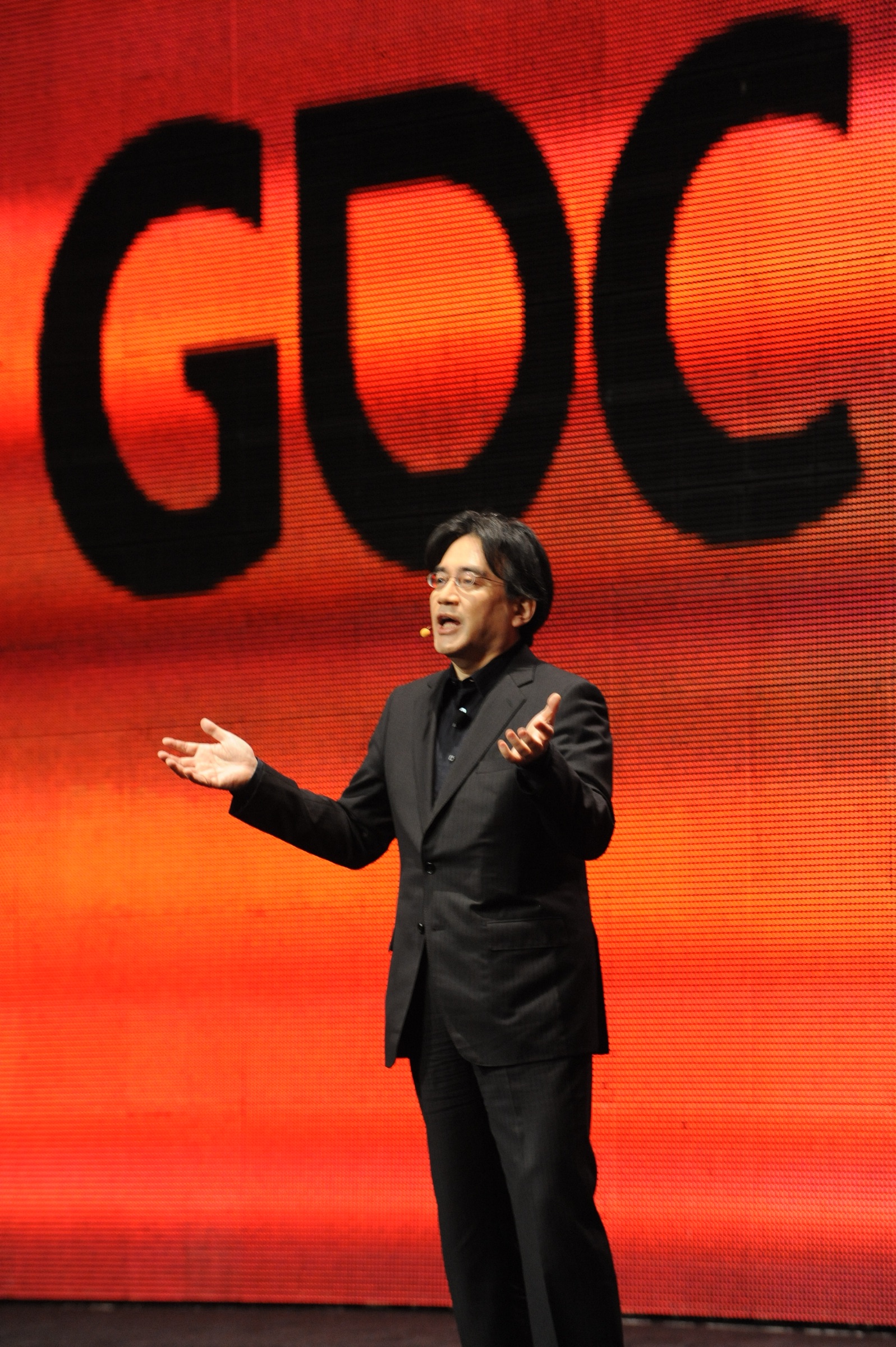
- Nunca dejó de ser jugador, ni siquiera como director ejecutivo, y convirtió eso en toda una filosofía. Iwata abrió su discurso inaugural en la Game Developers Conference de 2005 con la frase por la que se le recuerda: “En mi tarjeta de presentación soy el presidente de una empresa. En mi mente soy un desarrollador de videojuegos. Pero en mi corazón soy un jugador”. No era un lema. Describía cómo dirigía una empresa: cada decisión se medía contra la experiencia de la persona al otro lado de la pantalla.12
- Fue un prodigio de la programación cuyo oficio rescató una y otra vez proyectos que naufragaban. Programador a tiempo parcial en HAL Laboratory desde 1980, llegó a su presidencia en 1993 y la sacó de unos 1.500 millones de yenes de deuda en seis años. Como programador se le atribuye haber ayudado a salvar Mother 2 / EarthBound cuando su desarrollo se había estancado, y haber portado todo el sistema de combate de Pokémon a Pokémon Stadium leyendo el código original, según se cuenta en cerca de una semana.23
- Apostó toda una empresa a ampliar el público en lugar de perseguir la potencia bruta. Como cuarto presidente de Nintendo dirigió la Nintendo DS y la Wii bajo una estrategia de “océano azul”: llegar a quienes la industria había descartado (madres y padres, abuelos y abuelas, gente que no jugaba) en vez de pelear por el mercado hardcore existente a base de especificaciones. La Wii fue la consola menos potente de su generación y un fenómeno mundial.456
- Trató a las personas de ambos lados de la pantalla como el sentido de todo. Creó la serie de entrevistas “Iwata Pregunta” para sacar a la luz a los seres humanos detrás de los juegos, y cuando las ventas iban mal se redujo su propio salario a la mitad —en 2011 y de nuevo en 2014— antes que recortar empleos. Murió el 11 de julio de 2015, a los 55 años, por complicaciones de un tumor en las vías biliares, llorado por toda la industria.2
El principio
“En mi tarjeta de presentación soy el presidente de una empresa. En mi mente soy un desarrollador de videojuegos. Pero en mi corazón soy un jugador.” —Satoru Iwata, discurso inaugural en la GDC de 20051
La mayoría de los ejecutivos que vienen del mundo técnico dejan atrás el oficio mientras ascienden. Cambia el cargo, la agenda se llena de presupuestos y presentaciones para la junta, y el ingeniero muere en silencio dentro del director ejecutivo. Iwata se negó a ese trueque. Mantuvo las tres identidades a la vez y las ordenó de forma deliberada: la tarjeta de presentación al final, la mente del desarrollador en medio, el corazón del jugador en el fondo —y fondo significa lo más profundo, la capa a la que todo lo demás respondía—. El principio es que quien juega es el centro del diseño, y ningún cambio en el organigrama altera para quién estás construyendo de verdad.12
Lo que convierte eso en algo más que sentimentalismo es cómo condicionó el trabajo técnico. La pregunta recurrente de Iwata —la que cita la gente de Nintendo— era una versión de “¿por qué hacer algo si no es divertido?”. La diversión no es una función que se añade al final; es la especificación a la que sirve toda la máquina. Así que el oficio, por hondo que sea, siempre está al servicio de la alegría del jugador, nunca es un fin en sí mismo. Una animación de combate más rápida importa porque elimina medio segundo de fricción entre quien juega y el juego. Un nuevo esquema de control importa porque permite que una abuela tome un mando sin sentirse humillada por él. La ingeniería se juzga por lo que hace por la persona que sostiene el dispositivo, no por lo ingeniosa que es en sus propios términos.34
El tercer paso es el que más cuesta a los ingenieros: las limitaciones eran un estímulo creativo, no una excusa. Iwata pasó sus años formativos exprimiendo juegos en hardware con casi nada de espacio —kilobytes, no gigabytes— y llevó ese instinto hacia arriba. El rechazo deliberado de la Wii a perseguir potencia gráfica es el mismo reflejo a escala de empresa: un presupuesto ajustado dirigió el dinero hacia la interfaz, que es donde el jugador realmente vive.56 Domina la máquina, apunta esa maestría a la persona al otro lado de la pantalla y deja que la caja estrecha te vuelva más inventivo en lugar de menos. El corazón del jugador es lo que te dice hacia dónde apuntar.
Contexto
Satoru Iwata nació el 6 de diciembre de 1959 en Sapporo, Japón.2 Fue un prodigio de la programación antes de que hubiera mucho sobre lo que serlo: en la secundaria construía juegos sencillos en una calculadora programable HP que compartía con sus compañeros, y más tarde en una Commodore PET, aprendiendo por su cuenta porque casi no había de quién aprender.2 Pasó a estudiar ciencias de la computación en el Instituto Tecnológico de Tokio, donde ingresó en 1978, y siendo aún estudiante pasaba el tiempo en la tienda de computadoras donde se reunía la escena aficionada.2
En 1980 entró en HAL Laboratory como programador a tiempo parcial, y luego de tiempo completo tras graduarse: un estudio diminuto que ayudó a convertir en socio de desarrollo de Nintendo.2 Trabajó en Balloon Fight, NES Open Tournament Golf y la serie Kirby, y prestó su programación a Mother 2 / EarthBound cuando estaba en apuros.23 En 1993, por insistencia del presidente de Nintendo, Hiroshi Yamauchi, llegó a presidente de HAL, heredando alrededor de 1.500 millones de yenes de deuda y estabilizando las finanzas de la empresa en seis años.2 Se incorporó a Nintendo en 2000 para dirigir la planificación corporativa, y el 24 de mayo de 2002 se convirtió en su cuarto presidente: el primer presidente de Nintendo ajeno a la familia Yamauchi fundadora, una ruptura genuina en una empresa que había sido familiar durante más de un siglo.2
La presidencia es la parte que el público recuerda, pero el hilo conductor es que ahora dirigía la empresa un programador en ejercicio, y nunca dejó de pensar como tal. Murió el 11 de julio de 2015 en el Hospital de la Universidad de Kioto, por complicaciones de un tumor en las vías biliares, a los 55 años.2 El dolor en toda la industria, tanto de rivales como de colegas, dio la medida de lo raro que había sido esa combinación de oficio y cuidado.
El trabajo
Pokémon: el motor de combate portado en una semana, y la compresión que se volvió leyenda
La historia de Iwata que más se repite gira en torno a Pokémon Oro y Plata: que escribió una compresión tan buena que metió la región original de Kanto entera en el cartucho junto a la nueva región de Johto, duplicando el mundo gratis. Es una historia maravillosa, y merece un relato honesto, porque la verdad es más instructiva que el mito. Iwata sí escribió herramientas de compresión de gráficos para los juegos, y un algoritmo de velocidad de combate —una versión ajustada de técnicas de EarthBound y otros títulos de HAL— que recortó fracciones de segundo en animaciones y tiempos de carga e hizo que todo se sintiera más fluido.3 Pero una investigación cuidadosa del código de los juegos ha aclarado que su compresión redujo el almacenamiento solo en un pequeño porcentaje; lo que de verdad hizo posible el regreso de Kanto fue la decisión del equipo de pasar de un cartucho de 0,5 MB a uno de 1 MB.3 La leyenda de que la compresión metió Kanto es sobre todo eso —una leyenda, probablemente amplificada por una cita traducida— y el propio Iwata habría querido que el mérito se atribuyera con exactitud.
El widget de arriba dramatiza el principio que la leyenda buscaba —cumplir una limitación de espacio inflexible con ingenio en lugar de con un cartucho más grande— y ese principio es real incluso donde esta historia en concreto se adornó. La hazaña de Pokémon mejor documentada muestra el oficio sin exageración. Para Pokémon Stadium, el juego de Nintendo 64 que permitía a los jugadores combatir con sus equipos de Game Boy en 3D, Iwata leyó el código de los juegos originales de Game Boy —código que no había escrito él, con poca o ninguna documentación— y portó todo el sistema de combate al nuevo juego, según se cuenta en cerca de una semana.2 Aplicar ingeniería inversa a la lógica de combate sin documentar de otra persona y reimplementarla con fidelidad en otro hardware, a esa velocidad, es algo que solo puede hacer un programador de un alcance inusual. Es el oficio hacia el que tanteaba la leyenda, y de verdad ocurrió.
EarthBound y los años en HAL: rescate por reescritura
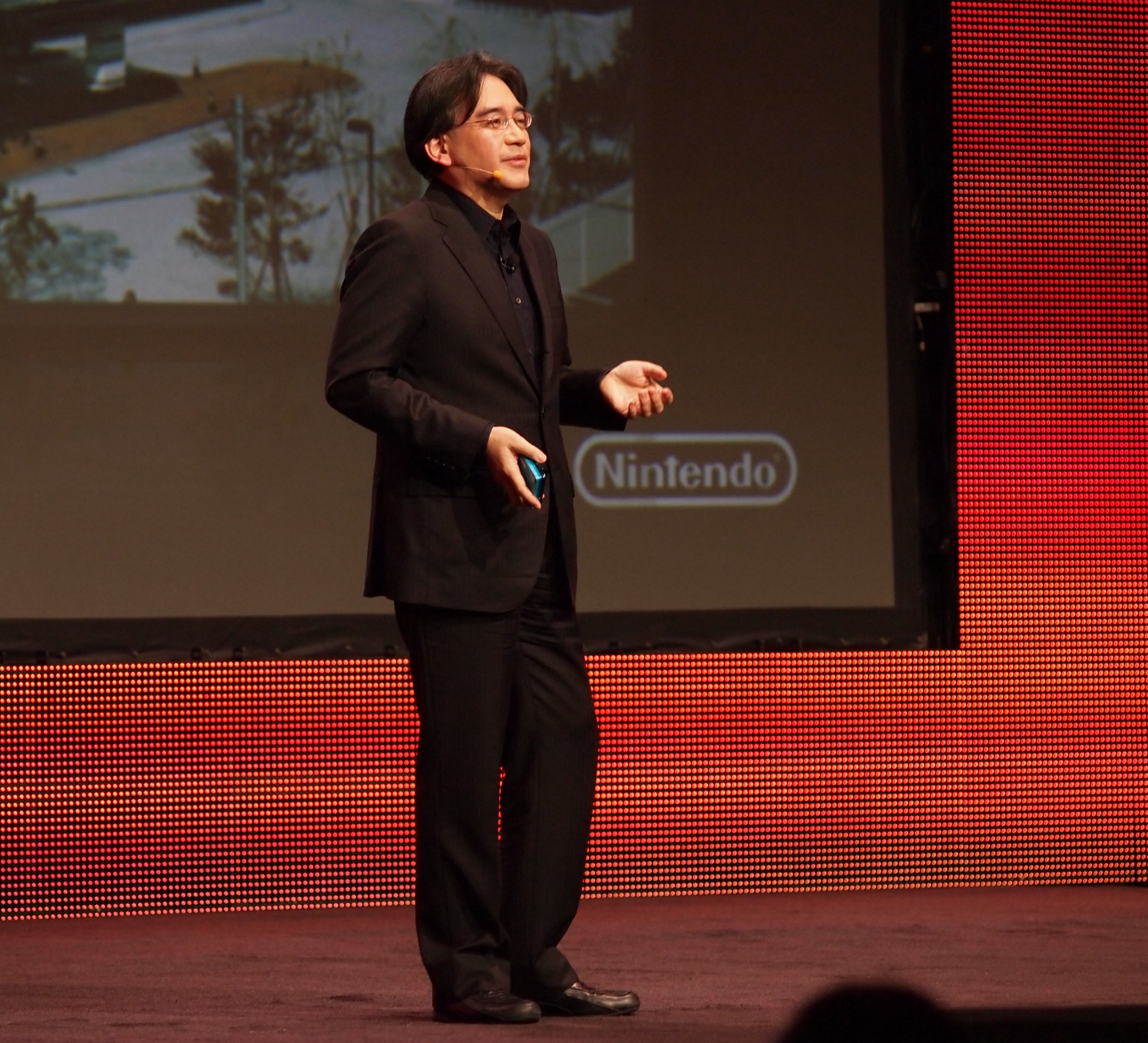
La imagen más nítida de Iwata-el-programador viene de Mother 2 / EarthBound. A principios de la década de 1990, el desarrollo del juego se había alargado mucho más allá del calendario previsto y estaba bajo amenaza repetida de cancelación; la programación era el cuello de botella.3 Cuando Shigesato Itoi, el creador del juego, pidió ayuda a HAL, Iwata y un pequeño equipo se sumaron. La frase que se le atribuye al examinar aquel desastre se ha hecho famosa entre los desarrolladores, y vale la pena el encuadre exacto: si intentaban arreglar todo en el estado en que estaba, calculaba que llevaría dos años; pero si lo reconstruía desde cero él mismo, podía tenerlo listo en cosa de medio año.3 Itoi diría después que la situación desesperada del proyecto se resolvió cuando Iwata se incorporó.7
Eso es un juicio de ingeniería profundo, no una fanfarronada. La mayoría de la gente, ante un sistema a medio terminar y plagado de problemas, parchea, porque el trabajo ya invertido se siente demasiado valioso para descartarlo. Iwata vio que el código acumulado era el camino lento: la reescritura, hecha por alguien que entendía el conjunto, era a la vez más rápida y más limpia que ir cuidando la maraña. Es el mismo instinto de tener el temple para empezar de nuevo que recorre la mejor ingeniería: saber cuándo parchear cuesta más que reconstruir. Y conectaba directamente con el jugador: un juego que nunca sale es un juego que nadie llega a querer, así que la disposición a reconstruir era, en el fondo, un acto de servicio hacia la persona que esperaba para jugar. Su trabajo en HAL en Kirby, Balloon Fight y lo demás salía del mismo lugar: una fluidez técnica honda apuntada de lleno a la diversión.2
La Wii y la DS: el “océano azul” como pensamiento centrado en el jugador a escala de empresa
Cuando Iwata llegó a presidente de Nintendo en 2002, la sabiduría convencional decía que las consolas competían en potencia —más polígonos, gráficos más nítidos, una ficha técnica más grande para ganarse al público hardcore existente—. Ese mercado era un “océano rojo”, abarrotado y sangriento. Iwata condujo a Nintendo a un “océano azul” en cambio: en vez de pelear con Sony y Microsoft por la potencia bruta, ampliar el público y llegar a la gente que la industria había ignorado.46 Fue explícito en que Nintendo no se veía a sí misma “peleando con Sony”, sino concentrada en cómo ampliar el público de los videojuegos.6
La Nintendo DS (2004), con sus dos pantallas y una táctil, y luego la Wii (2006), con su mando de movimiento, fueron esa estrategia hecha materia.45 La Wii fue deliberadamente la consola doméstica menos potente de su generación, y ahí estaba el punto. Como dijo Shigeru Miyamoto, la idea era gastar casi nada en tecnología de consola para que el dinero pudiera ir a la interfaz y al software.5 Iwata quería una máquina “accesible, sobre todo para públicos no tradicionales, incluidas las madres”.5 Un mando que agitas como una raqueta de tenis no necesita manual; una pantalla táctil invita a un dedo. La Wii se convirtió en un fenómeno social mundial precisamente porque dejaba que abuelos, padres y gente que nunca había tocado un mando en su vida simplemente jugaran.5 Esto es el “corazón de un jugador” aplicado a toda una estrategia corporativa: la pregunta nunca fue “¿cómo ganamos la guerra de las especificaciones?”, sino “¿quién todavía no juega, y qué se interpone entre esa persona y la alegría?”. La limitación —una caja barata y débil— se convirtió en el estímulo que apuntó cada yen a la interfaz humana.56
Iwata Pregunta, y liderar reduciéndose el propio sueldo a la mitad
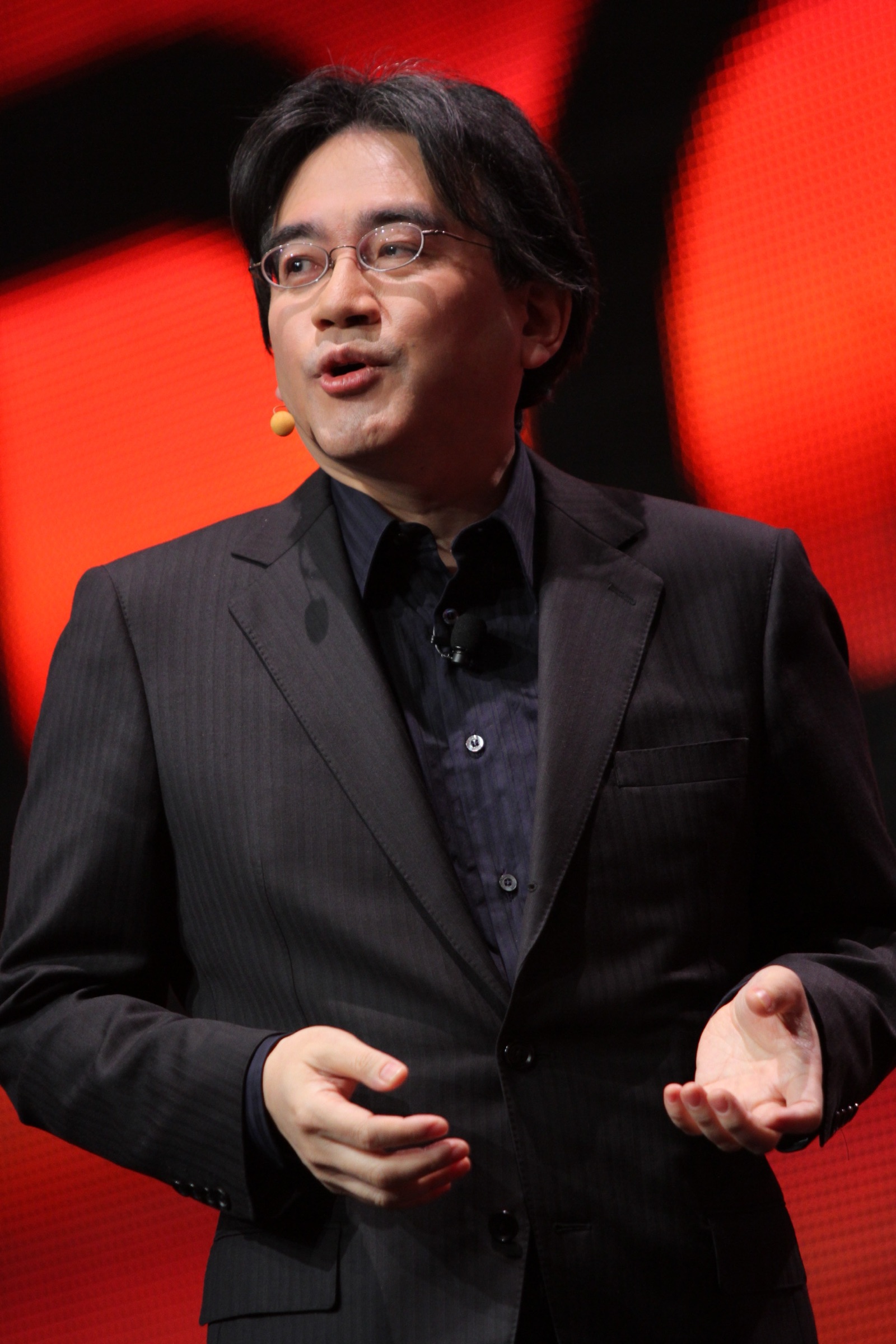
El liderazgo cargaba con la misma empatía. Iwata creó “Iwata Pregunta”, una serie de entrevistas de larga trayectoria en la que se sentaba con los desarrolladores detrás de los juegos de Nintendo y sacaba a relucir, en lenguaje llano, cómo se había hecho de verdad el trabajo, dando rostro a los seres humanos del lado de la creación de la pantalla igual que sus productos servían a los humanos del lado de quien juega.2 Su calidez en esas conversaciones, y más tarde en las transmisiones directas al jugador Nintendo Direct que lanzó, hizo que la empresa se sintiera como personas y no como un logotipo.2
La prueba más dura llegó en los años magros, cuando el éxito de la Wii se desvaneció y la Wii U batalló. En lugar de despedir empleados, Iwata se redujo voluntariamente el salario a la mitad —en 2011 y de nuevo en 2014—, presentándolo como una disculpa por las malas ventas y una manera de proteger la moral y los puestos de su gente.2 Es el caso raro de un ejecutivo que trata la limitación —un mal año financiero— como algo que absorber en lo personal en vez de descargarlo sobre la plantilla. El corazón del jugador resultó extenderse también a los desarrolladores: las personas de cada lado de la pantalla eran el sentido de todo.
El método
Lee de corrido el rescate de EarthBound, el porteo de Pokémon Stadium, la Wii e Iwata Pregunta, y reaparecen los mismos compromisos. El método de Iwata es menos un lema que un conjunto de hábitos permanentes.
Mantén la experiencia del jugador como especificación. El hábito definitorio es medir cada decisión técnica contra lo que hace por la persona que sostiene el dispositivo: “¿por qué hacer algo si no es divertido?”. La diversión es el requisito, no un adorno.14 La lección general se traslada mucho más allá de los videojuegos: la prueba de cualquier herramienta es la experiencia del ser humano al otro lado, y el oficio que no mejora esa experiencia es oficio gastado en uno mismo. Es la prueba de Steve —¿esto merece existir para la persona que lo usará?— planteada antes de escribir una sola línea.
Domina la máquina para poder servir al ser humano. La autoridad de Iwata venía de una profundidad genuina: leer código sin documentar y portar un motor de combate en una semana, escribir a mano las herramientas de compresión y velocidad.23 La maestría nunca era el punto; era el medio. La lección es la misma que vivió John Carmack: entender el hardware hasta el ciclo precisamente para que el jugador reciba una experiencia que se sienta como magia.2
Reconstruye desde cero cuando parchear cuesta más. Frente al código estancado y enredado de EarthBound, Iwata juzgó que una reescritura limpia sería más rápida que arreglar el desastre en su sitio: dos años parchando frente a medio año reconstruyendo.3 El coraje de descartar el trabajo ya invertido es raro y decisivo. El hábito consiste en comparar con honestidad el coste de ir cuidando una maraña frente al coste de construirla bien, y tener el temple de empezar de nuevo: la puerta de la evidencia apuntada a tu propia arquitectura en vez de a la afirmación de otra persona.
Deja que la caja estrecha te vuelva inventivo. Iwata se formó exprimiendo juegos en kilobytes, y convirtió el hardware deliberadamente débil y barato de la Wii en una razón para volcarlo todo en la interfaz.5 Las limitaciones eran un estímulo creativo, no una queja. Es el mismo instinto de Sophie Wilson y Jim Keller: hacer más en menos espacio, y dejar que el límite críe elegancia en lugar de excusas.
Apunta toda la empresa a la persona que todavía no juega. La apuesta del “océano azul” era pensamiento centrado en el jugador llevado a escala de estrategia: dejar de pelear por quienes ya están dentro y eliminar lo que mantiene fuera a todos los demás.46 La lección es preguntar quién no puede usar lo que has construido y por qué, y tratar eso como la verdadera frontera: el razonamiento del producto mínimo digno aplicado a todo un público. Lanza aquello que deja entrar a más gente, en términos que esa gente pueda cumplir.
Cadena de influencia
Quiénes lo formaron
Hiroshi Yamauchi y la cultura de oficio de Nintendo. El legendario presidente de Nintendo que dirigió la empresa durante décadas insistió en que Iwata asumiera la presidencia de HAL en 1993 y más tarde lo llevó a Nintendo, entregando finalmente la empresa a alguien ajeno a su propia familia por primera vez.2 La apuesta de Yamauchi por un programador antes que por un pariente dio forma a toda la trayectoria de Iwata. (Influencia directa)
La escena temprana de programación por cuenta propia. Sin casi nadie de quien aprender, Iwata se enseñó solo en una calculadora compartida y una Commodore, en las tiendas de computadoras para aficionados del Japón de finales de los años setenta.2 Ese origen autodidacta y práctico —dominar la máquina porque amabas lo que podía crear— es la raíz tanto de su oficio como de su convicción de que la alegría es el punto. (Influencia formativa)
Shigesato Itoi y los desarrolladores a quienes sirvió. El rescate de EarthBound fue una colaboración; trabajar junto a Itoi, y más tarde junto a los creadores a quienes entrevistó en Iwata Pregunta, mantuvo a Iwata anclado al lado humano de hacer juegos incluso mientras su cargo ascendía.37 (Influencia directa)
A quiénes formó
La Nintendo moderna y el manual de ampliar el público. La DS y la Wii redefinieron la idea de la industria sobre para quién son los juegos; la estrategia de llegar a jugadores no tradicionales, en lugar de perseguir solo la potencia, lo sobrevivió y dio forma a lo que vino después.45
El formato del desarrollador como persona. “Iwata Pregunta” y Nintendo Direct establecieron una manera más cálida y transparente de que una empresa de videojuegos hable tanto con sus creadores como con sus jugadores: una plantilla ampliamente imitada.2
Una generación de líderes-ingenieros. Iwata es la prueba permanente de que se puede dirigir una empresa grande sin abandonar el oficio, de que la profundidad del programador y el sillón del ejecutivo no se excluyen mutuamente.12
El hilo conductor
Iwata es donde se resuelve el largo argumento de esta serie: la excelencia técnica existe para el ser humano al otro lado de la pantalla. John Carmack sacó un rendimiento imposible de hardware de consumo fijo entendiendo la máquina hasta el ciclo, y lo mismo hizo Iwata, portando un motor de combate en una semana y comprimiendo juegos en casi nada de espacio, siempre para que el jugador recibiera algo que se sintiera como magia.23 Sophie Wilson y Jim Keller muestran que las limitaciones crían elegancia —hacer más en menos espacio, gastar el recurso barato para matar el cuello de botella— e Iwata llevó ese instinto hasta lo más alto de la estrategia corporativa, convirtiendo el hardware débil y barato de la Wii en una razón para invertirlo todo en una interfaz que una abuela pudiera usar.5 Pero donde los demás dominaron la máquina, Iwata nombró para qué era esa maestría. En su tarjeta de presentación un presidente, en su mente un desarrollador, en su corazón un jugador —y el corazón era la parte que decidía—. Como última entrada de esta serie, esa es la frase hacia la que todo el hilo ha venido construyéndose: cada una de estas personas, en su propio dominio, exprimía magia del silicio y del código por el bien de alguien a quien nunca conocería. Iwata simplemente lo dijo en voz alta. (Puente de la serie)
Lo que yo saco de esto
La lección que me llevo de Iwata es que la maestría técnica nunca es más que un medio: el ser humano al otro lado de la pantalla es el fin. Es fácil enamorarse del oficio por el oficio, admirar un esquema de compresión ingenioso o un porteo elegante como si lo ingenioso fuera el logro. Iwata tenía tanto derecho a esa vanidad como cualquiera —podía leer código sin documentar y reconstruir un motor de combate en una semana— y en cambio lo gastó todo en la alegría del jugador. La pregunta que tomo prestada es la que él nunca dejó de hacer: no “¿esto impresiona?”, sino “¿qué hace esto por la persona que de verdad lo usará?”. La tarjeta dice una cosa, la mente otra, pero el corazón es lo que decide, y el corazón pertenece al usuario.
La segunda lección es que las limitaciones son un estímulo creativo, y la empatía escala. Mi instinto, como el de la mayoría de quienes construyen, es querer más —más espacio, más potencia, más presupuesto— y tratar la caja estrecha como aquello que frena el trabajo. Toda la carrera de Iwata es la refutación: los kilobytes lo volvieron inventivo, y una consola deliberadamente débil le permitió apuntarlo todo a la interfaz donde la gente realmente vive. El límite no era el obstáculo; era la instrucción de hacia dónde apuntar. Y la empatía que lo hacía bueno escalaba en ambas direcciones: hacia los jugadores que nunca conocería y hacia los empleados cuyos puestos protegió reduciéndose el propio sueldo. Trató a todos en cada lado de la pantalla como el sentido de todo. Ese es el estándar que quiero sostener: dejar que la limitación me vuelva más inventivo, no más agraviado, y nunca perder de vista a la persona para quien es el trabajo.
Preguntas frecuentes
¿Quién fue Satoru Iwata?
Satoru Iwata (6 de diciembre de 1959 – 11 de julio de 2015) fue un programador japonés que llegó a ser el cuarto presidente de Nintendo, cargo que ocupó desde 2002 hasta su muerte en 2015.2 Empezó como programador a tiempo parcial en HAL Laboratory en 1980, llegó a su presidencia en 1993 y la rescató de una fuerte deuda, y se incorporó a Nintendo en 2000 antes de asumir la presidencia: el primer presidente de Nintendo ajeno a la familia Yamauchi fundadora.2 Como presidente dirigió la Nintendo DS y la Wii y creó la serie de entrevistas “Iwata Pregunta”. Se le recuerda por la frase “en mi corazón soy un jugador” y por combinar un hondo oficio de programación con un liderazgo centrado en el jugador.12
¿Qué hizo Iwata por Pokémon Oro y Plata?
Escribió herramientas de compresión de gráficos y un algoritmo de velocidad de combate —una versión refinada de técnicas de EarthBound y otros juegos de HAL— que hizo notablemente más fluidas las animaciones y los tiempos de carga.3 La historia tan repetida de que su compresión por sí sola metió la región original de Kanto en el cartucho es en gran parte una leyenda: su compresión redujo el almacenamiento solo en un pequeño porcentaje, y lo que de verdad hizo posible el regreso de Kanto fue subir de un cartucho de 0,5 MB a uno de 1 MB.3 La hazaña mejor documentada es la de Pokémon Stadium, donde Iwata leyó el código de los juegos originales de Game Boy y portó todo el sistema de combate al nuevo juego, según se cuenta en cerca de una semana.2
¿En qué consistía la estrategia de “océano azul” de Iwata?
En lugar de competir con Sony y Microsoft en potencia bruta de hardware por el mercado hardcore existente —un “océano rojo” abarrotado—, Iwata condujo a Nintendo a ampliar el público en cambio, llegando a quienes no jugaban: madres y padres, abuelos y abuelas, y jugadores ocasionales.46 La Nintendo DS y la Wii fueron esa estrategia hecha materia; la Wii fue deliberadamente la consola menos potente de su generación para que el dinero pudiera ir a una interfaz accesible en vez de a potencia gráfica, y se convirtió en un fenómeno mundial.56
¿Cuál es la famosa cita de Iwata?
En su discurso inaugural en la Game Developers Conference de 2005, titulado “Heart of a Gamer”, Iwata abrió con: “En mi tarjeta de presentación soy el presidente de una empresa. En mi mente soy un desarrollador de videojuegos. Pero en mi corazón soy un jugador”.1 Se recuerda como la esencia de quién era: un hombre de negocios que nunca dejó de pensar como un jugador, y que medía las decisiones de la empresa contra la experiencia de la persona que sostiene el mando.12
Fuentes
-
“Video: Satoru Iwata’s ‘Heart Of A Gamer’ keynote at GDC 2005,” Game Developer (antes Gamasutra). Iwata abrió su discurso inaugural en la Game Developers Conference de 2005, titulado “Heart of A Gamer”, con la frase textual: “On my business card, I am a corporate president. In my mind, I am a game developer. But in my heart, I am a gamer.” El tema del discurso fue la pasión que impulsa el desarrollo de videojuegos y cómo la industria podía volverse más inclusiva y acogedora para personas de todas las edades y procedencias. Cita corroborada por “Satoru Iwata quote,” Quotepark, y “Satoru Iwata,” Wikipedia. ↩↩↩↩↩↩↩↩
-
“Satoru Iwata,” Wikipedia. Nació el 6 de diciembre de 1959 en Sapporo, Japón; programaba juegos en una calculadora HP compartida y una Commodore PET en la escuela; se especializó en ciencias de la computación en el Instituto Tecnológico de Tokio (admitido en abril de 1978). Se incorporó a HAL Laboratory como programador a tiempo parcial en 1980; llegó a presidente de HAL en 1993 “por insistencia del presidente de Nintendo, Hiroshi Yamauchi”, rescatando a la empresa de aproximadamente 1.500 millones de yenes de deuda y estabilizando sus finanzas en seis años. Trabajó en Balloon Fight, NES Open Tournament Golf, la serie Kirby y EarthBound. Para Pokémon Stadium, leyó el código de los juegos originales y portó el sistema de combate al nuevo juego en “apenas una semana”. Se incorporó a Nintendo en 2000 como jefe de planificación corporativa; se convirtió en el cuarto presidente de Nintendo el 24 de mayo de 2002, el “primer presidente de Nintendo no emparentado con la familia Yamauchi”. Encabezó la Nintendo DS y la Wii y la estrategia de “océano azul”; fundó la serie de entrevistas “Iwata Pregunta” (2006) y Nintendo Direct (2011). “Iwata se redujo voluntariamente el salario a la mitad en 2011 y 2014 como disculpas por las malas ventas.” Murió el 11 de julio de 2015 por complicaciones de un tumor en las vías biliares, a los 55 años, en el Hospital de la Universidad de Kioto. ↩↩↩↩↩↩↩↩↩↩↩↩↩↩↩↩↩↩↩↩↩↩↩↩↩↩↩↩↩
-
“New Details Emerge On Satoru Iwata’s Work On Pokémon Gold And Silver,” Nintendo Life (octubre de 2023), que informa sobre la investigación de Did You Know Gaming. Aclara que Iwata escribió herramientas de compresión y un algoritmo de optimización de velocidad (una versión ajustada de técnicas de EarthBound y otros juegos de HAL Laboratory) que mejoró los tiempos de carga y la velocidad de animación de Pokémon Oro/Plata, pero que su compresión “redujo la cantidad de almacenamiento total en un pequeño porcentaje” y no hizo posible la inclusión de Kanto: la mejora del cartucho de 0,5 MB a 1 MB fue lo que de verdad lo permitió. Sobre EarthBound / Mother 2: el desarrollo se había estancado y estaba bajo amenaza de cancelación, con la programación como cuello de botella; al incorporarse desde HAL, Iwata estimó que arreglar el juego en su estado existente llevaría dos años, pero que reconstruirlo desde cero él mismo podía hacerse en cosa de medio año. ↩↩↩↩↩↩↩↩↩↩↩↩↩
-
“Nintendo DS,” Wikipedia, y “Satoru Iwata,” Wikipedia. Bajo Iwata, Nintendo persiguió una estrategia de “océano azul” que priorizó formas novedosas de entretenimiento y la ampliación del público de los videojuegos por encima de competir en especificaciones brutas de hardware; la Nintendo DS de doble pantalla y táctil se lanzó en 2004 como una encarnación temprana de ese enfoque. ↩↩↩↩↩↩↩↩
-
“Wii,” Wikipedia. La Wii se lanzó el 19 de noviembre de 2006 en Norteamérica. Bajo el presidente Satoru Iwata, la consola evitó deliberadamente competir en especificaciones de hardware y “fue la menos potente de las principales consolas domésticas de su generación”; Iwata quería una máquina “accesible, sobre todo para públicos no tradicionales, incluidas las madres”, y el diseñador Shigeru Miyamoto describió que se gastó casi nada en tecnología de consola para que el presupuesto pudiera ir a la interfaz y al software. La Wii, controlada por movimiento, se convirtió en “un fenómeno social mundial”. ↩↩↩↩↩↩↩↩↩↩↩
-
“Wii,” Wikipedia. En diciembre de 2006 Iwata afirmó que Nintendo “no se veía a sí misma ‘peleando con Sony’, sino que se concentraba en cómo ampliar el público de los videojuegos”, apuntando a madres y padres y a abuelos y abuelas junto a los jugadores tradicionales: la lógica del “océano azul” de hacer crecer el público en vez de pelear por el mercado hardcore existente a base de potencia de cálculo bruta. ↩↩↩↩↩↩↩↩
-
“EarthBound,” Wikipedia. El “desarrollo de Mother 2 / EarthBound tardó mucho más de lo planeado y estuvo bajo amenazas repetidas de cancelación”; Iwata fue programador y productor desde HAL Laboratory, y el creador Shigesato Itoi “ha dicho que la situación desesperada del proyecto se resolvió cuando Iwata se sumó al equipo”. ↩↩